

 Find a book


Title
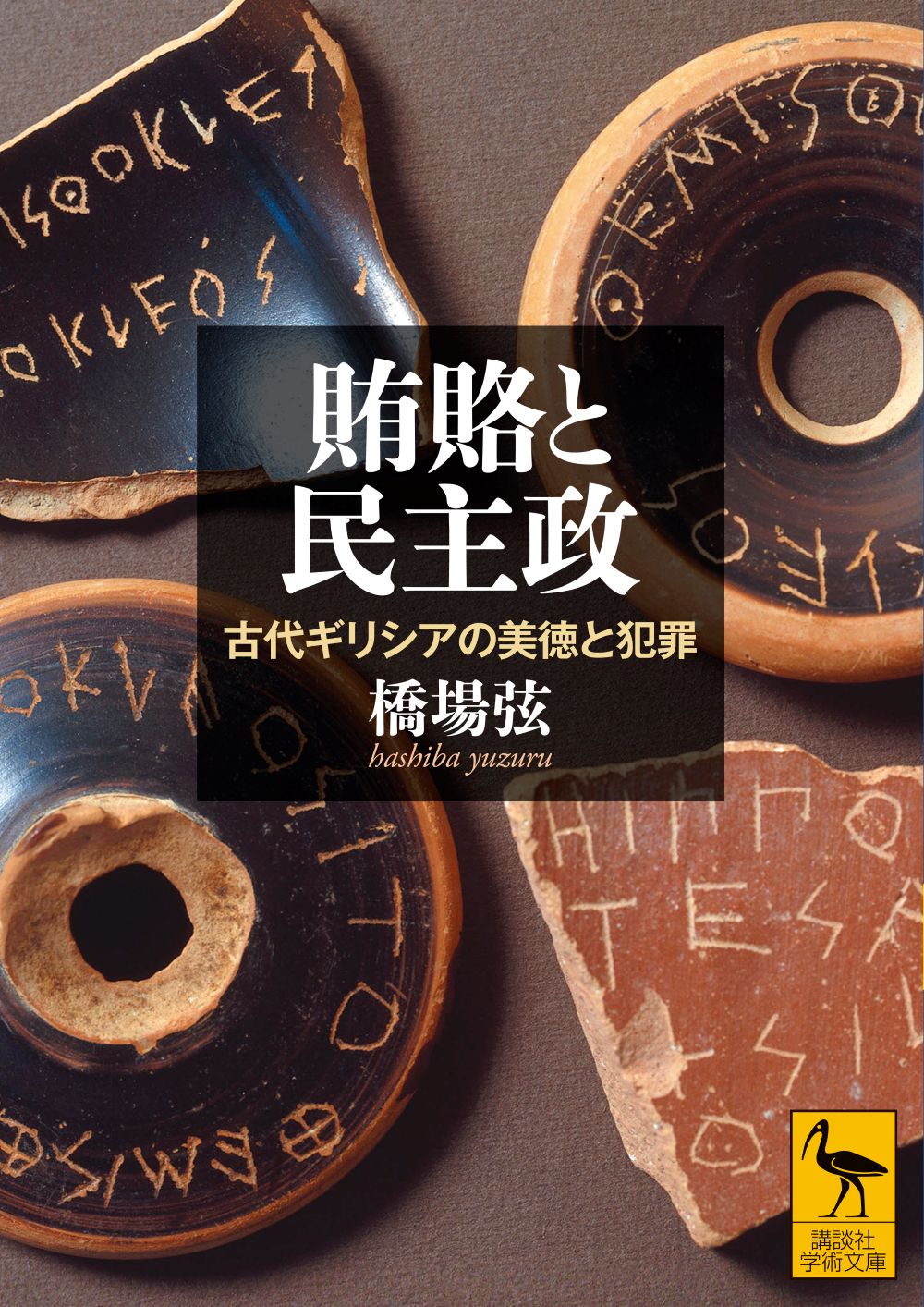
Kodansha Gakujutsu Bunko Wairo to minshusei (Bribery and democracy - virtue and crime in ancient Greece)
Size
168 pages, A6 pages
Language
Japanese
Released
July 11, 2024
ISBN
9784065364055
Published by
Kodansha Ltd.
Book Info
See Book Availability at Library
Japanese Page
Although the people of ancient Greece pursued the ideal of political equality and popular participation, they could not escape the darker side of politics—namely, bribery. But when, and why, did bribery come to be regarded as a "crime"?
Pericles, who led the city-state of Athens to the height of its power and completed the framework of direct democracy in the mid-fifth century BCE, was known as a politician impervious to bribery. He reportedly avoided hospitality offered by friends and declined invitations to banquets, knowing that such social gatherings could become breeding grounds for bribery.
Yet what exactly distinguishes bribery from a gift? Ancient Greek society originally placed great value on gift exchange. Gifts served a wide range of functions—what today might be called compensation, wages, rewards, or even bribes—but all were broadly categorized under the term "gift." The emergence of democracy did not immediately alter attitudes toward bribery that promoted private interests. It was only when the Greeks faced the unprecedented crisis of the Persian Wars and came to recognize the destructive consequences of bribery for the public good that a condemnatory stance toward bribery began to take shape.
This book begins by examining the values that the ancient Greeks, from the time of Homer, traditionally associated with gift-giving and gift exchange. Through an analysis of epic poetry and other texts, it reveals that they held ambivalent views toward bribery—seeing it as “good though bad” or “bad though good.” Despite this ambiguity, it was through their experience of war with Achaemenid Persia in the early fifth century BCE that the Greeks began to move beyond such attitudes and adopt a distinctly critical stance toward certain categories of bribery. Building on this shift, the book traces the gradual development of legal mechanisms in Athens to counter bribery.
After the Persian Wars, Athenian citizens became increasingly vigilant—not only against Persia, but also against the act of accepting bribes from enemy states in exchange for military withdrawal. Subsequently, as large sums of allied tribute began to flow into Athens through the Delian League, new conceptions of bribery emerged in relation to the management of public funds. The establishment of a rigorous legal framework against bribery and corruption in Athens appears to have taken shape from the late fifth century to the early fourth century BCE.
(Written by HASHIBA Yuzuru, Professor, Graduate School of Humanities and Sociology / 2025)