

 Find a book



Title
Nihon Mokuzo Isan Sennen no Toki wo Koeruchie (Japan's Wooden Heritage: Wisdom transcending a thousand years)
Size
208 pages, B5 format
Language
Japanese
Released
June 06, 2024
ISBN
9784418242108
Published by
Sekaibunka Holdings
Book Info
See Book Availability at Library
Japanese Page
Architecture, a field dealing with cities and buildings, is often positioned within university engineering facilities as a specialized discipline and remains deeply familiar to the general public. People visit historic buildings to enjoy their spaces and learn about history through their origins. In this sense, architecture extends beyond engineering or science and connects with many other specialized disciplines.
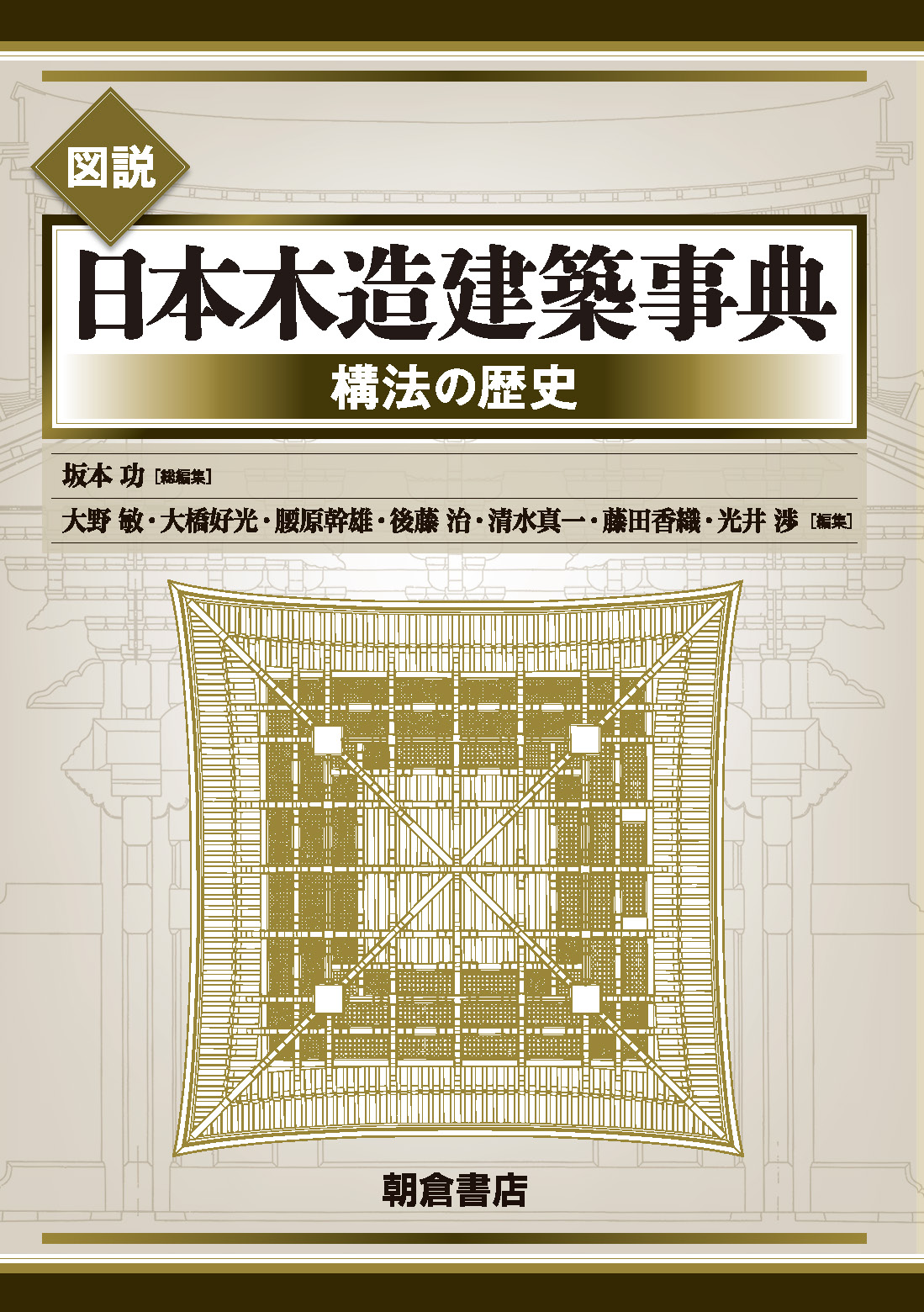
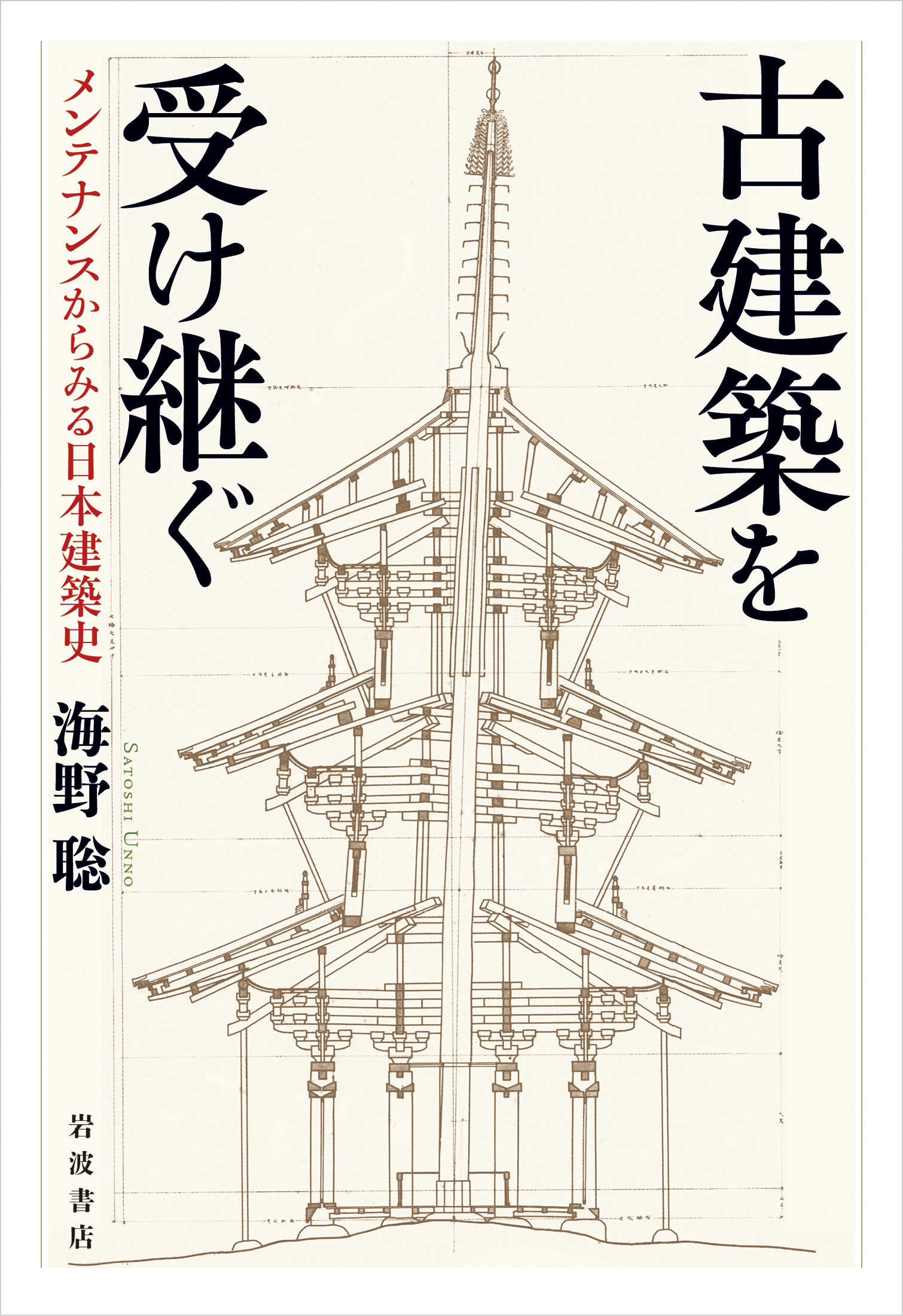
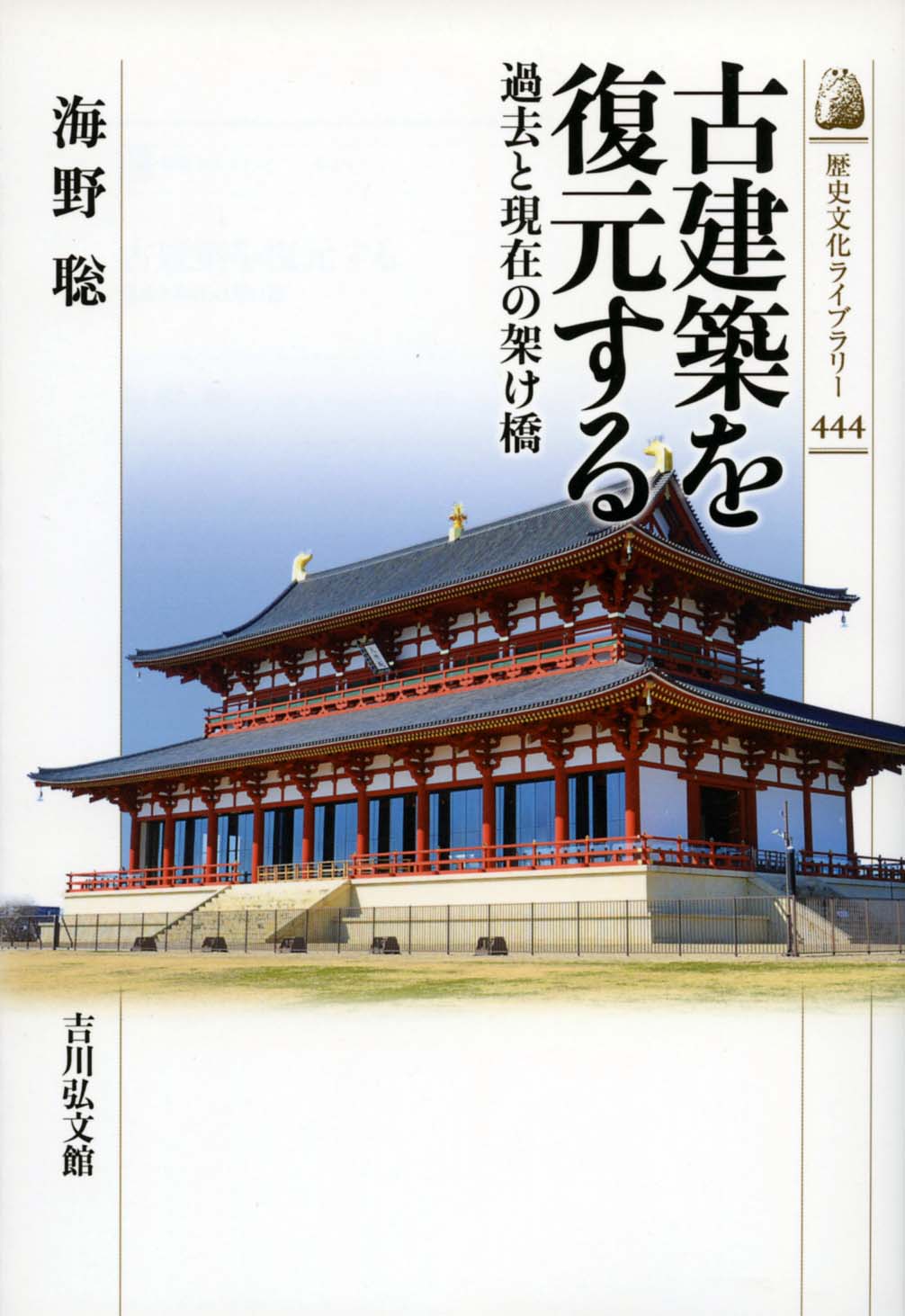
Japan's wooden architecture is source of global pride. Over centuries, a variety of wooden structures have been built, including temples, shrines, farmhouse-style houses, and machiya-style townhouses. Horyuji Temple, known as the world's oldest existing wooden architecture complex, stands as a prime example. Within this tradition, carpenters refined wooden construction techniques to create unique and appealing spaces rooted in craftsmanship. During the Meiji period, amid rapid modernization, these techniques evolved further through fusion with Western architectural technologies. By the Showa period, this fusion produced uniquely modern Japanese architecture using wood. Japanese wooden architecture thus embodies wisdom cultivated over thousands of years.
Second, the “Photography Diary” conveys the exhilaration of engaging with architectural subjects through powerful photographs captured over five years by architectural photographer Mitsumasa Fujitsuka, accompanied by vivid accounts of his immersive experience.
Finally, my column, written as a wood structure specialist, attempts to reevaluate the value of traditional timber architecture from a structural engineering perspective grounded in empirical knowledge evolved over generations. The development of traditional timber architecture progressed through the trial and error of carpenters and through the steady accumulation of experience.
Empirical techniques that have enhanced functionality, safety, and convenience through accumulated experience and inheritance must also be incorporated as engineering methodologies. However, recognizing that not all techniques used in the past are necessarily correct is essential. Reevaluating empirical, scientific techniques through engineering perspective are crucial. At the same time, some traditional techniques may lie beyond the scope of modern engineering knowledge, which remains limited and cannot fully explain them. This challenge has emerged as new research topic. Therefore, critically reevaluating past techniques without blindly accepting them and incorporating them into one's own knowledge are vital. “Wooden Heritage Through the Eyes of a Structural Engineer” precisely embodies this approach.
(Written by KOSHIHARA Mikio, Professor, Institute of Industrial Science / 2025)
Related Info
Japan's Wooden Heritage: A Journey Through a Thousand Years of Architecture (JAPAN LIBRARY) (published by Japan Publishing Industry Foundation for Culture 2017)
https://www.amazon.co.jp/gp/product/4916055829/
Related Event:
Japan's Masterpieces of Wooden Architecture - Photographs by FUJITSUKA Mitsumasa (jdzb - Japanese-German Center Berlin March 21 – April 29, 2022)
https://jdzb.de/en/events/japans-masterpieces-wooden-architecture-photographs-fujitsuka-mitsumasa