

 Find a book


Title
Sexuality no rekishi shakai gaku (The Historical Sociology of Sexuality - New Edition)
Size
514 pages, A5 format
Language
Japanese
Released
May, 2024
ISBN
978-4-326-60370-1
Published by
Keiso Shobo
Book Info
See Book Availability at Library
Misc.
First edition was published in 1999 and reissued in 2024
Japanese Page
This book uses historical sociology to examine how people in modern Japan have understood, discussed, and situated "sexuality" within society. Sexuality is not only a biological phenomenon but also a social phenomenon defined by how it is recognized and given meaning by people. This book seeks to decipher how the values and norms of modern society are shaped by tracing changes in social perceptions of sexuality.
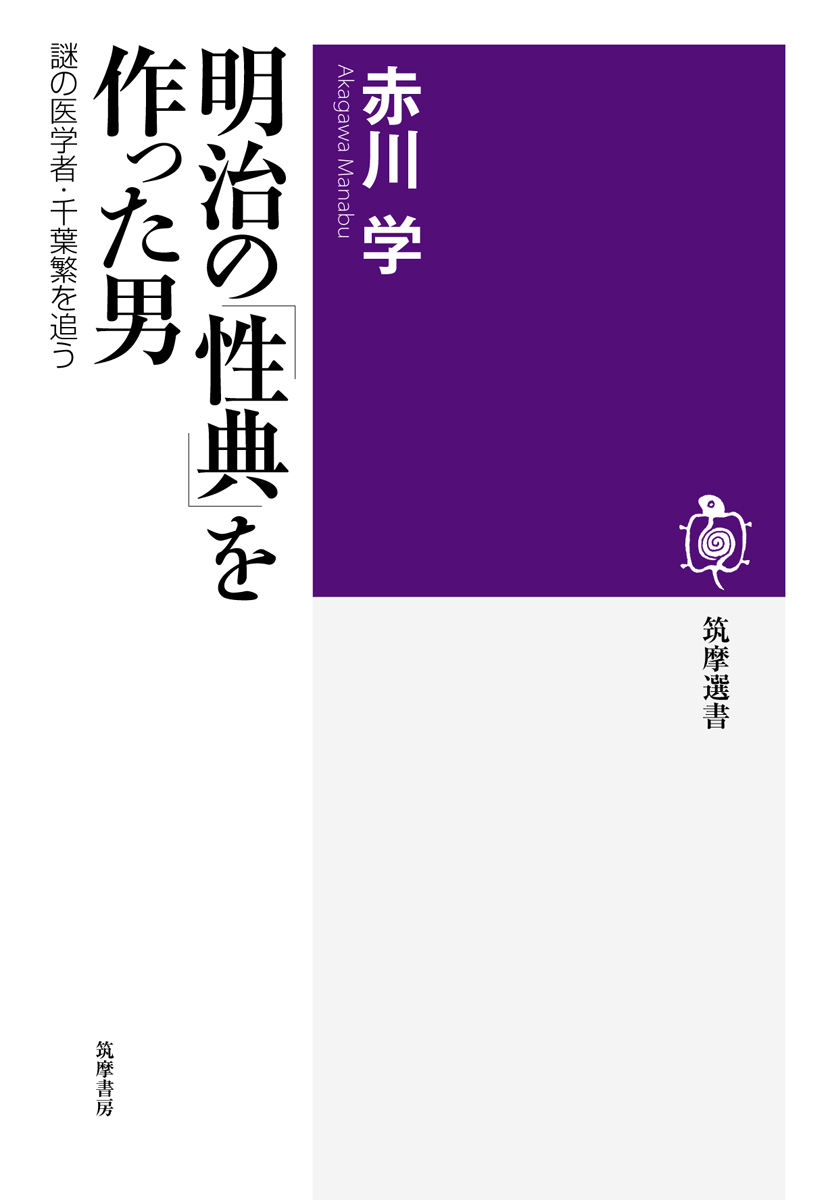
In particular, this book provides a detailed analysis of the evolving discourse surrounding masturbation. The Zōkakiron (Theory of Reproductive Systems, a Japanese translation of James Ashton’s The Book of Nature) published in the Meiji period (1868–1912) period and the popular sexology of the Taisho period (1912–26) widely embraced a theory of “strong toxicity” which asserted that masturbation was seriously harmful to both body and mind. In the early Showa period (1926–45), this perception shifted towards a theory of "weak toxicity," wherein masturbation was no longer considered seriously harmful, though abstinence was still advised. By the latter half of the Showa period (1945–89), a theory of "necessity" which perceived masturbation to be a necessary component of sexual development and sexual activity, had gained wide acceptance. These shifts in perception demonstrate how society’s understanding of sexuality changed significantly throughout history.
A fundamental shift in how sexuality was defined underpinned these changes. During Japan’s early modern period, sexual desire was widely perceived to be an instinct that should be suppressed. Gradually, however, sexuality came to be considered as something fundamentally linked to the development of a person’s character, self-awareness, and interpersonal relationships, and a perception equating sexuality with character and identity came to prevail. Out of this process there emerged a new paradigm of “intimacy” that viewed sexuality less as a biological function and more as a component of human identity and intimacy.
These shifts in perception are closely linked to changes in such social institutions as education, healthcare, the family, and the state. By tracing the history of discourse on sexuality, this book elucidates how the values and structures of modern Japanese society were shaped over time.
The distinctive feature of this book is how it analyzes sexuality not merely as a matter of culture or ideology, but as something that links closely to social institutions, human behavior, and the nature of knowledge. Changing perceptions of sexuality reflect changes in society.
For students just beginning their university studies, this book serves as an entry point to discovering the fascination of sociology—a discipline that explores the mechanisms of society through familiar themes. When we realize that the values we take for granted have been shaped by history, we learn to look at society from multiple angles.
(Written by AKAGAWA Manabu, Professor, Graduate School of Humanities and Sociology / 2026)