

 Find a book


Title
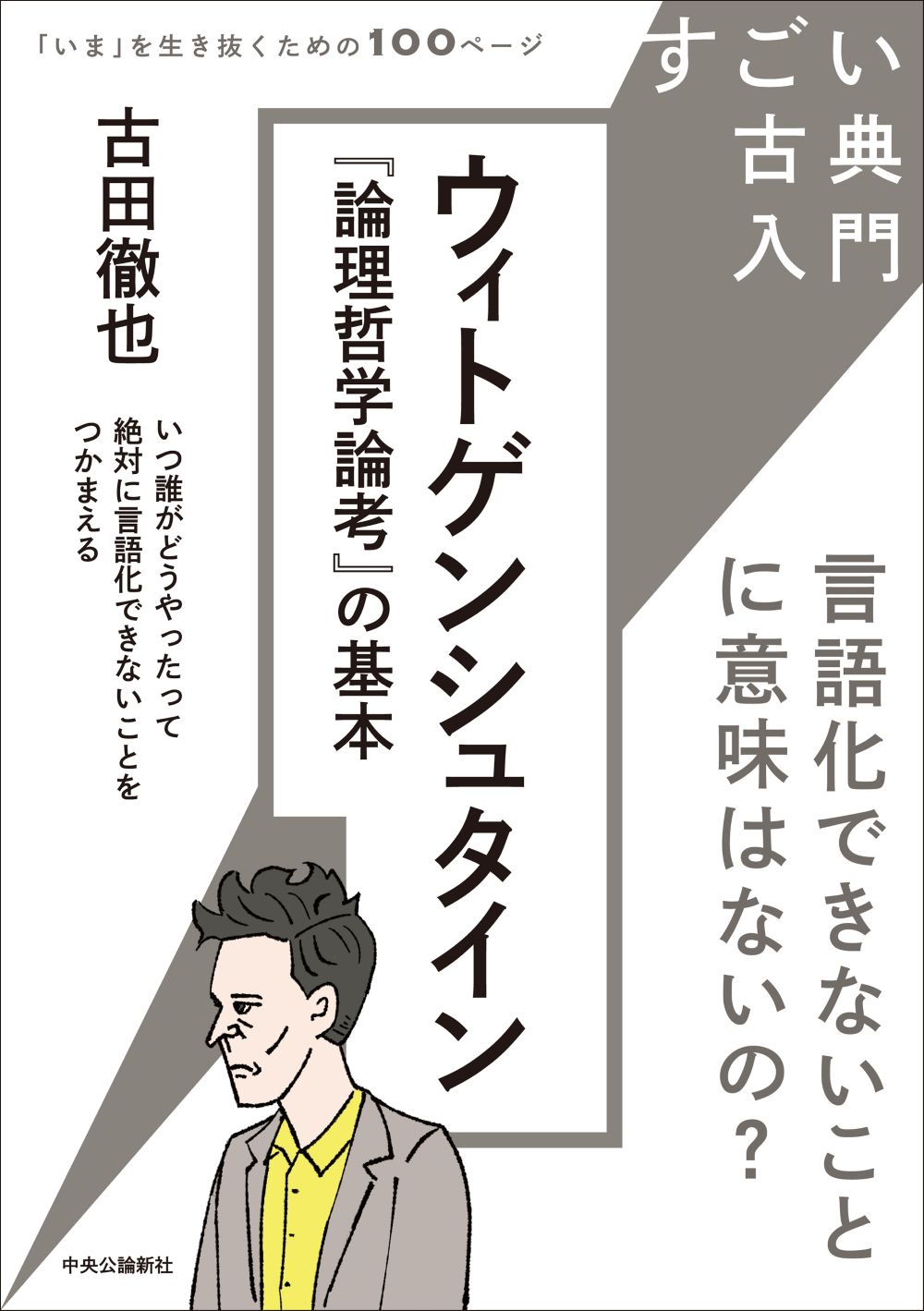
A Brilliant Introduction to the Classics Wittgenstein Ronri Tetsugaku Ronkou no Kihon (The Basics of Wittgenstein’s Tractatus Logico-Philosophicus - Is There No Meaning Beyond Words?)
Size
104 pages, A5 format
Language
Japanese
Released
February 09, 2026
ISBN
978-4-12-005989-6
Published by
CHUOKORON-SHINSHA. INC.
Book Info
See Book Availability at Library
Japanese Page
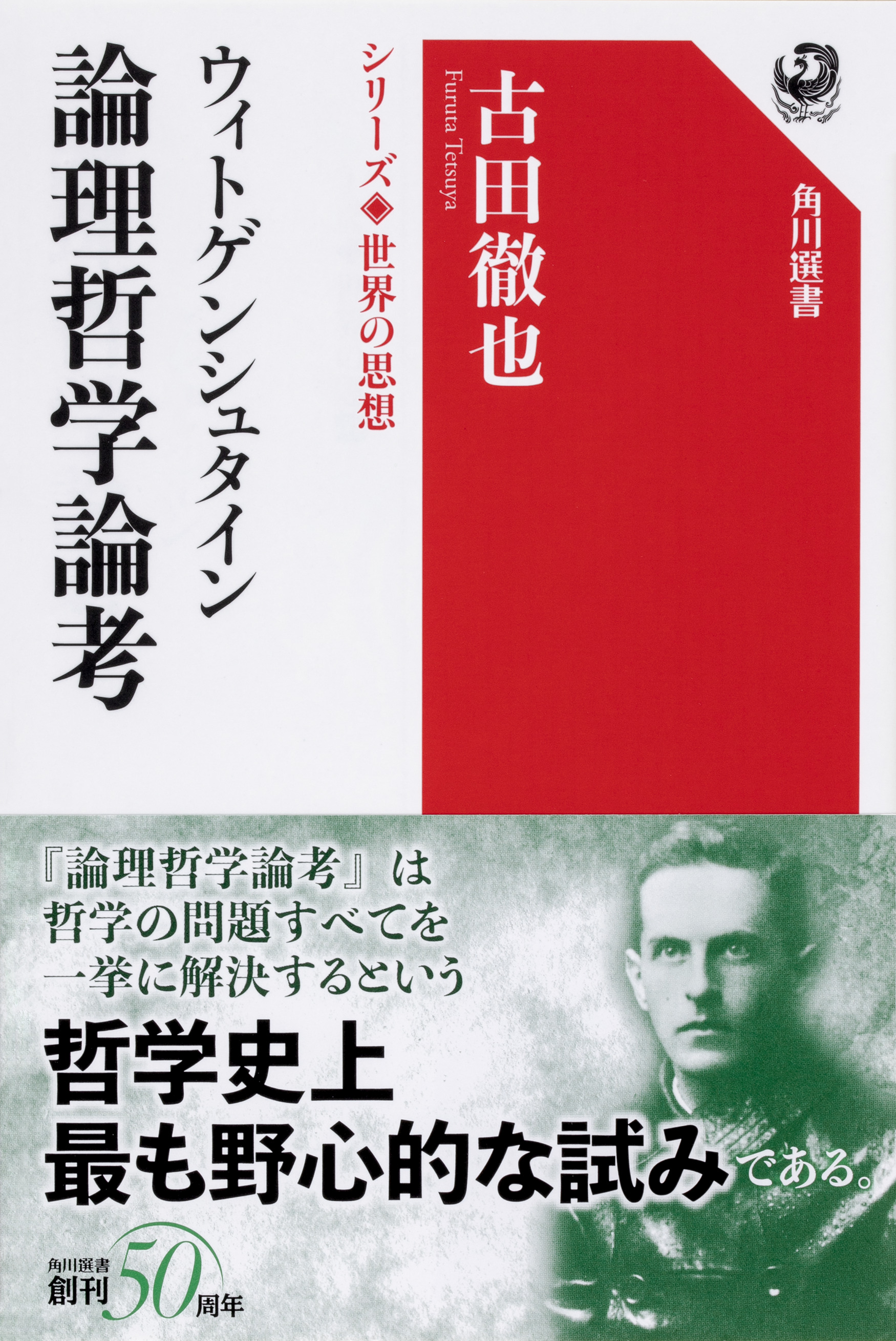
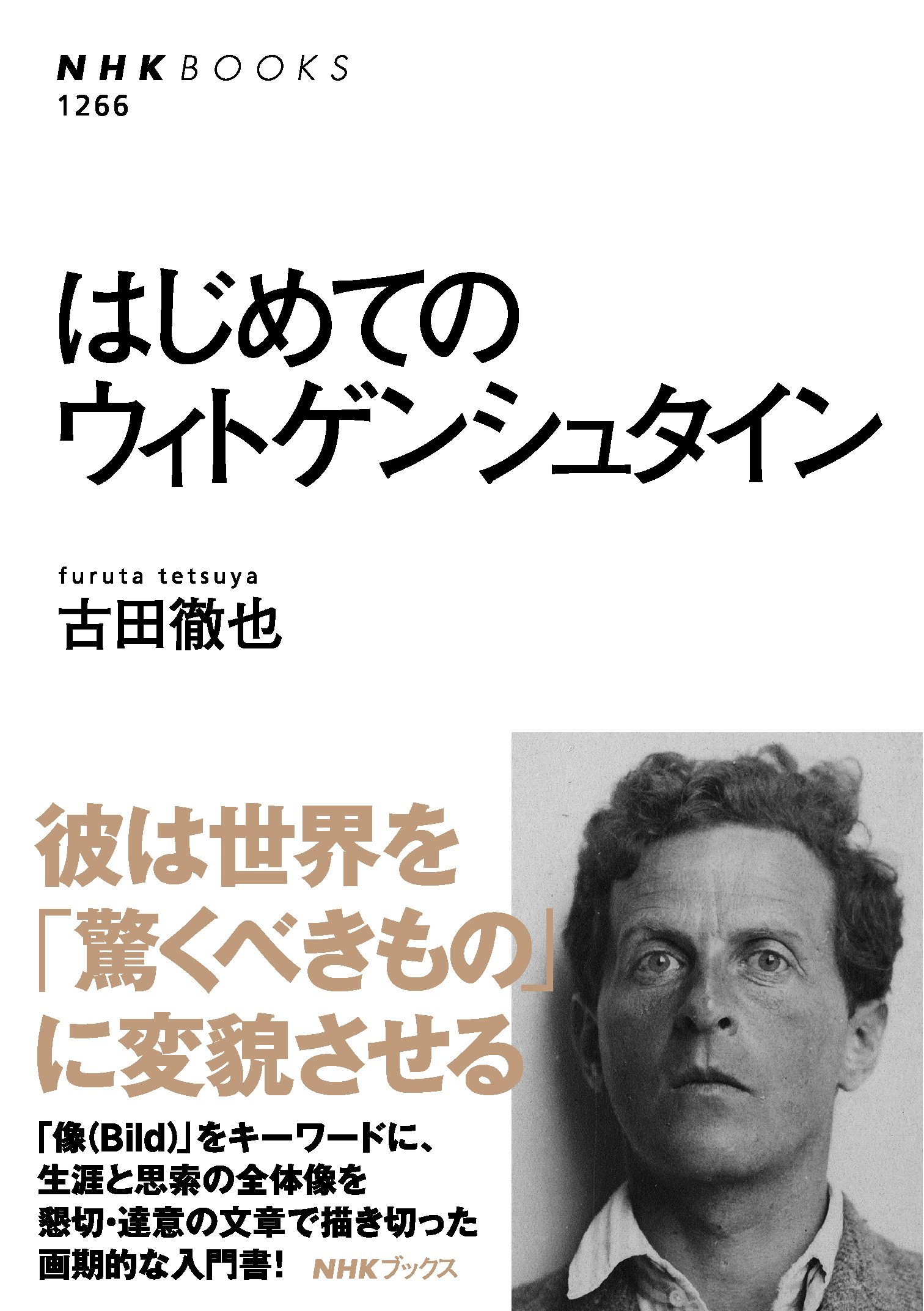
Wittgenstein’s Tractatus Logico-Philosophicus (hereafter the Tractatus), written when he was still a young man, is undoubtedly one of the defining works of modern philosophy. Why has it continued to captivate readers around the world for over a century?
The Tractatus ends with the sentence: “Whereof one cannot speak, thereof one must be silent.” This is the book’s conclusion. Indeed, the Tractatus may well have been written to establish precisely this point. Yet what Wittgenstein really means by it is not necessarily clear. The sentence has an undeniably striking ring to it and is widely quoted, but it seems to have taken on a life of its own, detached from its original context.
At first glance, Wittgenstein might appear to be criticizing the urge to “put things into words.” Do not try to express everything in language; remain silent. Yet in the preface, he states quite explicitly that “what can be said at all can be said clearly.” He begins from the idea that, if we try hard enough, even the most complex or elusive things can be clearly articulated. He thus deliberately grants the possibility of putting things into words to the extent possible. Only then does he go on to say: “Whereof one cannot speak, thereof one must be silent.” The intended message seems to be that there are things that simply cannot be put into words, no matter how hard we try, and that we must remain silent about them.
What, then, are these things that cannot possibly be put into words? Do such things even exist? By exploring these questions, this book aims to provide a broad outline of the Tractatus, a work unlike any other.
The words of the Tractatus, woven around the question of what cannot be said, resonate with the profound intuitions we carry deep within us in our everyday lives, and have the power to awaken them. This is perhaps the fundamental reason why the book has had such an enormous and far-reaching influence on later generations, and why it continues to be read around the world today. The present book attempts to trace the source of that power.
It should be noted that this book leaves out a considerable amount of the Tractatus. To appreciate fully what Wittgenstein says and shows—and how his words stir, soothe, and encourage the reader—one must ultimately turn, of course, to the Tractatus itself. (Before doing so, however, it may be wise to read some introductory and related works.) If this book can serve as the starting point for a long and rewarding journey through the Tractatus and the literature surrounding it, nothing could give me greater pleasure as its author.
(Written by FURUTA Tetsuya, Associate Professor, Graduate School of Humanities and Sociology / 2026)