

 Find a book


Title
UP Plus Gaza Hunso (War on Gaza)
Size
160 pages, A5 format
Language
Japanese
Released
June 25, 2024
ISBN
978-4-13-033308-5
Published by
University of Tokyo Press
Book Info
See Book Availability at Library
Japanese Page
 eBook
eBook
Following the attack led by the Palestinian organization Hamas on October 7, 2023, Israel imposed a complete blockade on the Gaza Strip and launched an intense military offensive. Israeli Defense Minister Yoav Gallant (at the time) declared on October 9, "We will cut off electricity, food, water, and fuel. We are fighting human animals, so we will act accordingly.” The Gaza Strip became literally an isolated place.
This book compiles chapters written urgently by 11 researchers during the harsh military attacks on the Gaza Strip. As the situation changed rapidly, determining the right moment to “put down the pen” proved to be extremely difficult for each author. At the same time, it becomes clear that these chapters, written three months after the Gaza situation suddenly drew international attention, contain many insights for considering subsequent developments in Gaza.
The chapter analyzing U.S. actions (by Prof. Seiko Mimaki) proposes that “while Japan has long emphasized ‘shared values’ with the United States, regarding the Gaza crisis, it is crucial to frankly communicate the values we cannot share with the U.S. and urge a policy shift.” The Japanese government, partly at the request of the U.S., postponed recognizing the Palestinian state in September 2025. The recommendations in this chapter will continue to be rigorously scrutinized by the Japanese society.
Another chapter discussing international law (by Prof. Kyo Arai) points out that Israel is engaging in lawfare, using international law as a weapon. Why is Israel, which prides itself on being a democracy and finds value in acting as a member of the developed world, causing a humanitarian crisis in the Gaza Strip? This chapter offers insights into answering these questions.
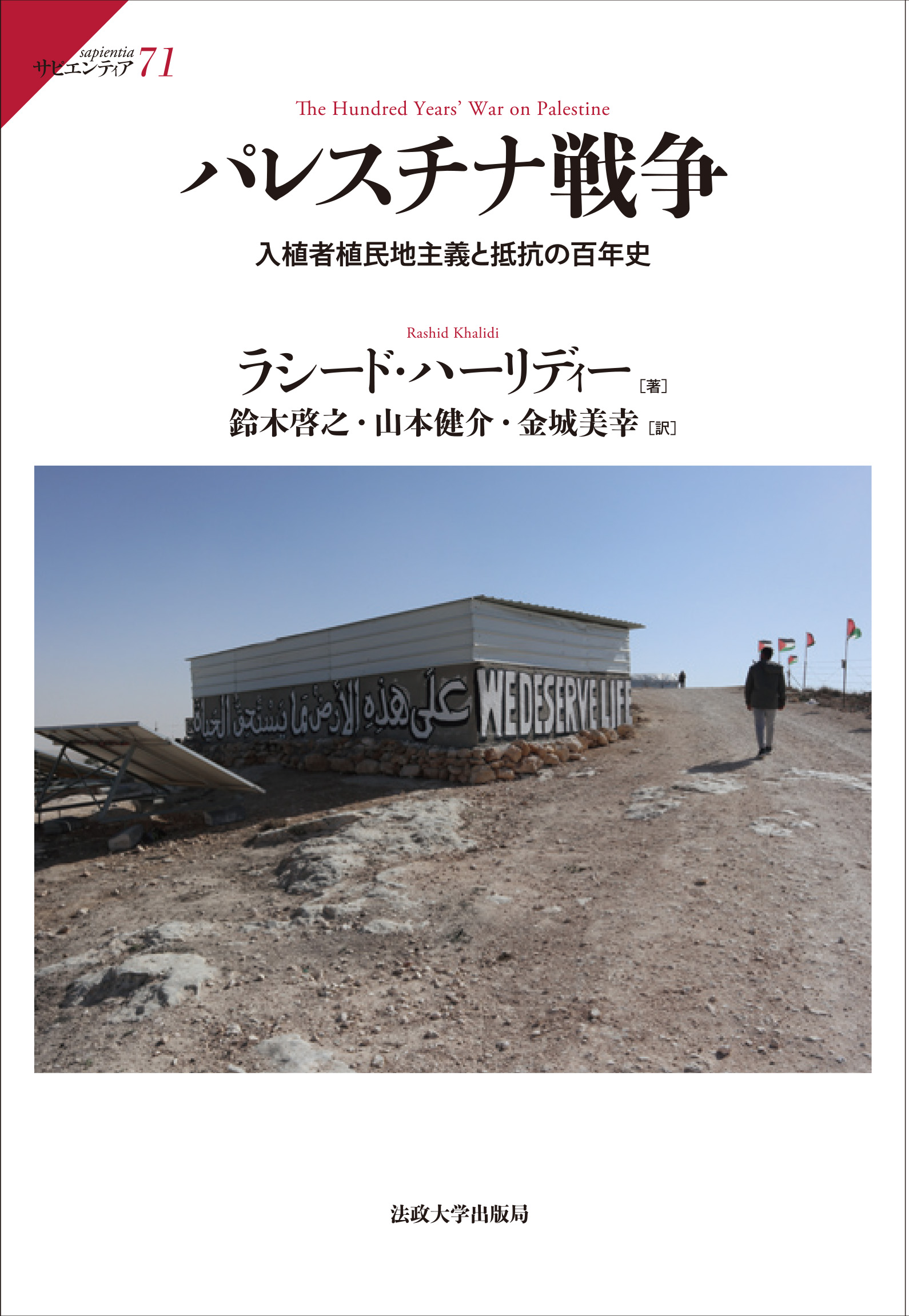
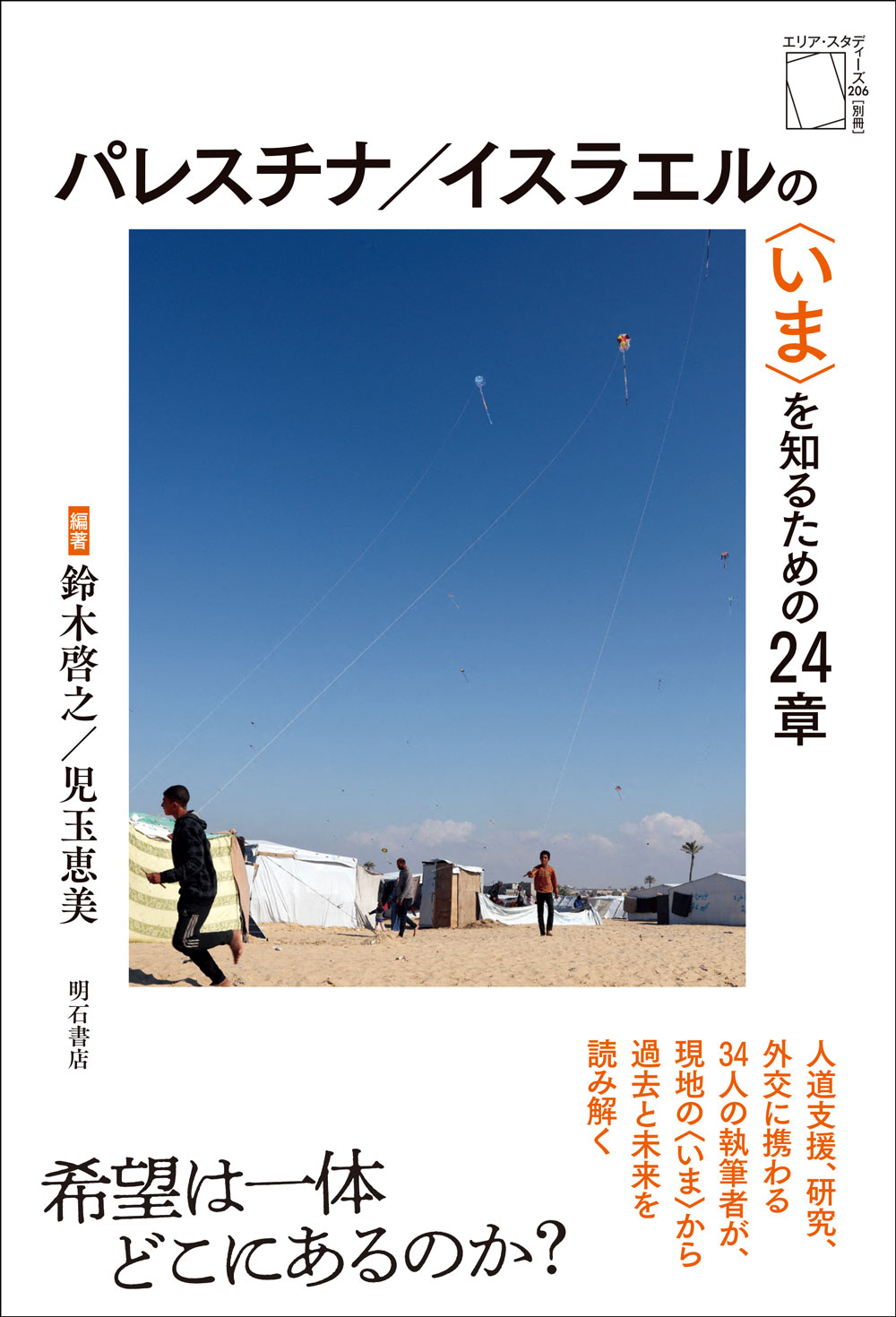
Furthermore, this volume includes contributions from Japanese scholars in Middle Eastern studies who have conducted pioneering research in various fields. Compared to the author’s other volume, 24 Chapters to Understand the Current Situation in Palestine/Israel, which was edited during the same period, this volume contains more specialized writing. In addition to the situations in Palestine and Israel, it discusses connections with other Middle Eastern countries, Japan, and the United Nations.
Given the drastic changes in the situation, I was unable to adjust the content of each chapter as an editor. However, the diverse insights in this book offer numerous scenarios for considering the future of the Middle East, which still shows no signs of resolution. I encourage readers to focus on their struggle with the situation as it unfolds in each chapter.
(Written by SUZUKI Hiroyuki, Project Associate Professor, Graduate School of Arts and Sciences / 2025)