

 Find a book


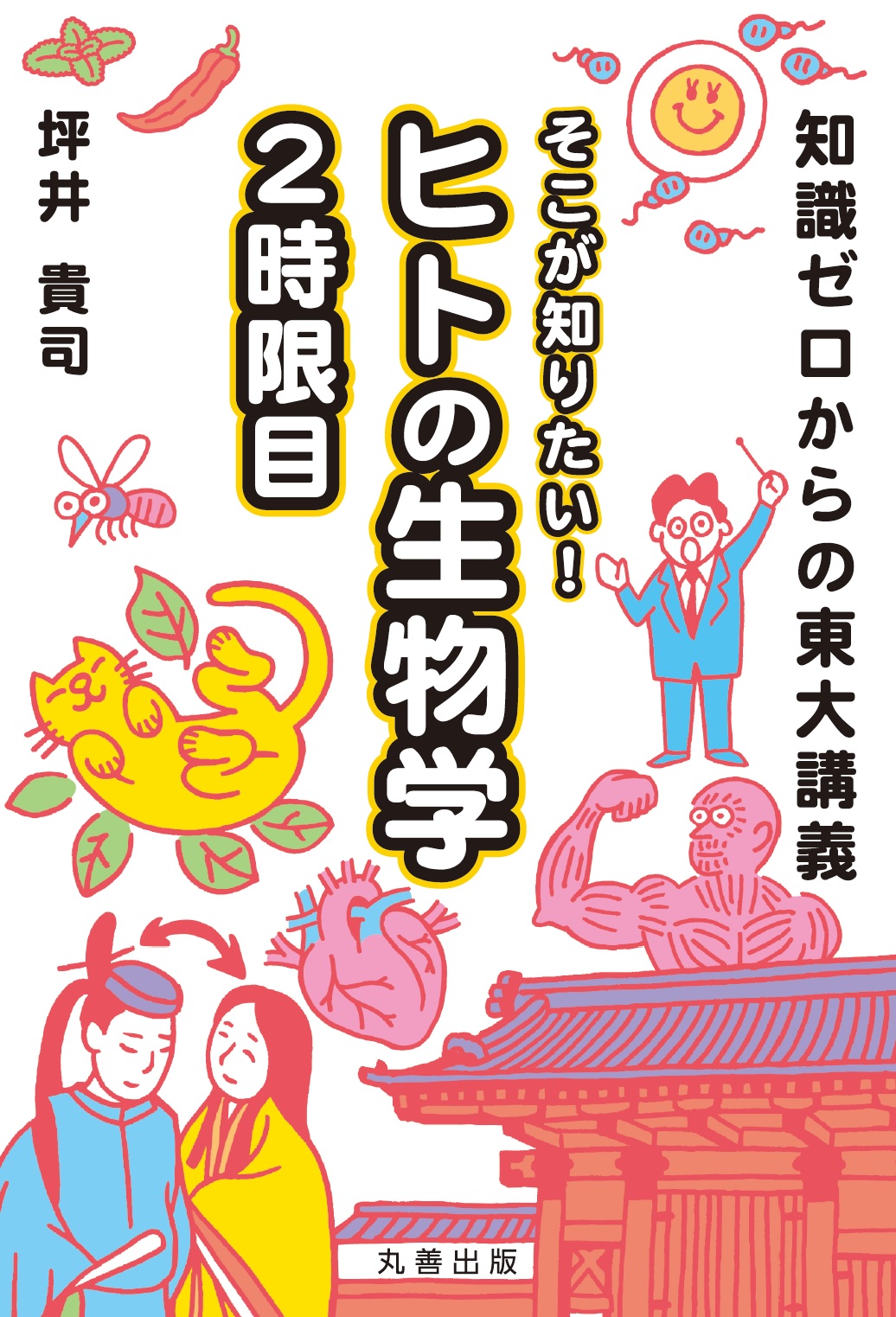
Title
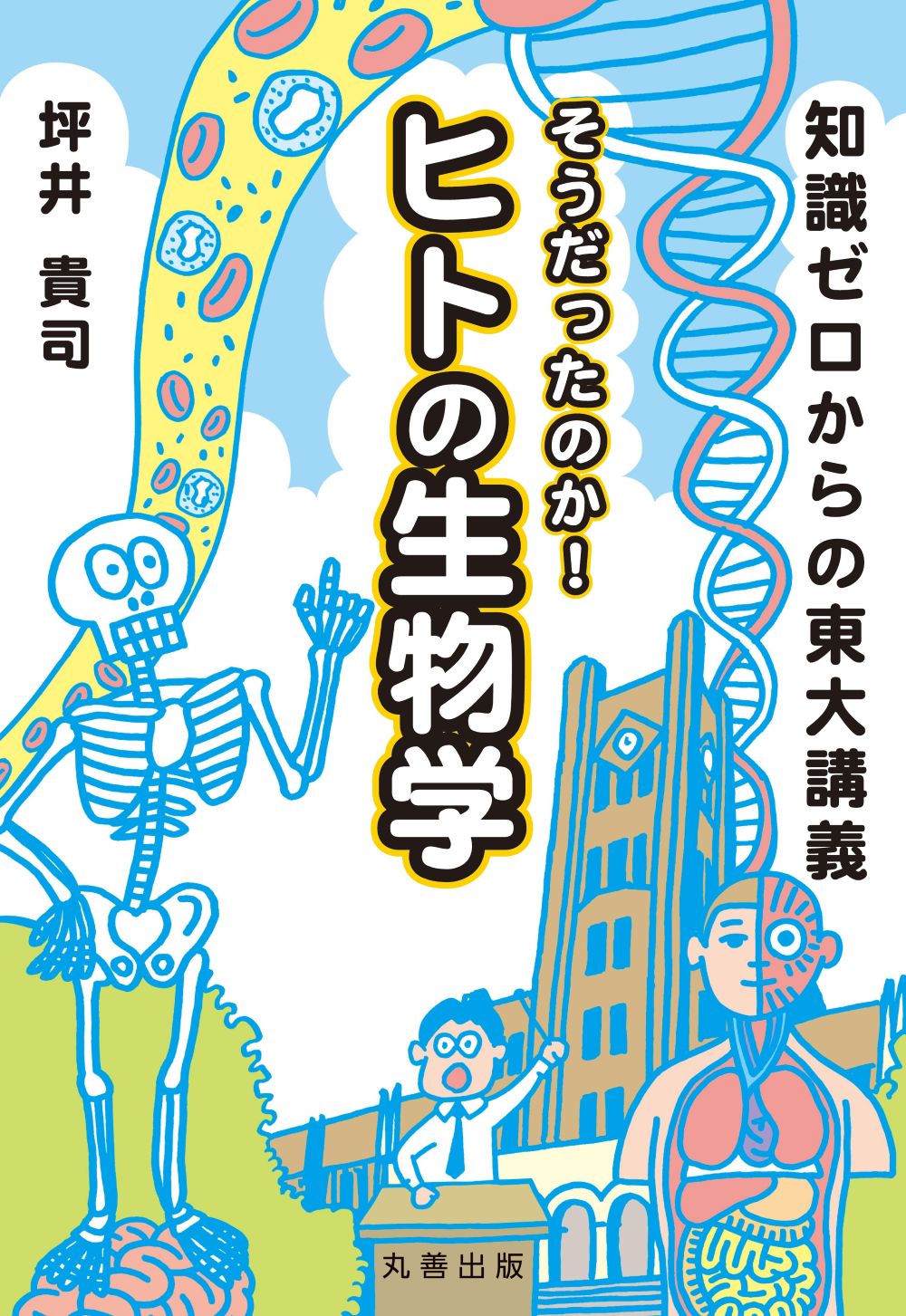
Chishiki Zero kara no Todai Kougi Soko ga Shiritai! Hito no Seibutsugaku (From Zero to Insight: Human Biology – Lecture 2)
Size
256 pages, 128x188mm
Language
Japanese
Released
October 25, 2023
ISBN
9784621308547
Published by
Maruzen Publishing Co., Ltd.
Book Info
See Book Availability at Library
Japanese Page
 eBook
eBook
How Does Life Begin and Take Shape?
Have you ever wondered how a single cell becomes a complete human being? This question is one of the most fundamental mysteries in biology. Even today, scientists cannot fully explain every detail of this process. However, thanks to major advances in life science, we are beginning to understand the principles behind life’s earliest stages—and the complexity is astonishing.
Human development is very different from building a car or a skyscraper. Those projects require blueprints, supervisors, and workers. Life, on the other hand, starts without any external instructions. All it begins with is a fertilized egg and the genetic information stored in its DNA. From there, an incredible chain reaction unfolds: genes produce proteins, those proteins activate other genes, and the cycle continues. These molecular “domino effects” happen on a massive scale, all at once, and without any outside command. This system is so precise that even a tiny genetic change can disrupt development, sometimes causing serious health problems or unexpected variations in traits.
This book explains these fascinating processes in a way that first- and second-year university students can understand. Chapter One introduces a key event called gastrulation, which shapes the body’s basic structure. Chapter Two explores reproduction and the biology of sex, showing that sex is not simply male or female but exists on a spectrum. We also discuss what science has discovered about gender identity and sexual orientation. Chapter Three focuses on muscles and the heart—why some people build muscle easily while others don’t, and how genetic variations can lead to sudden cardiac death, emphasizing the importance of AEDs. Finally, Chapter Four examines our five senses—vision, hearing, taste, smell, and touch—and reveals surprising facts, such as why “hot” and “spicy” feel similar, and why taste and smell receptors appear in organs beyond the tongue and nose.
What makes this book unique is its approach: instead of listing facts, it asks “Why does this happen?” and answers using the latest scientific insights. Understanding these principles is not only important for biology students—it also matters for society. Knowledge of human development and genetics forms the foundation of medicine, regenerative therapies, and gene-based treatments. Likewise, scientific perspectives on sex and diversity help address ethical issues and inform public policy.
Life may seem overwhelmingly complex, but beneath the surface lies a set of elegant, simple rules. This book invites you to take your first step toward understanding those rules—and to marvel at the extraordinary processes that make us who we are.
(Written by TSUBOI Takashi, Professor, Graduate School of Arts and Sciences / 2025)