

 Find a book


Title
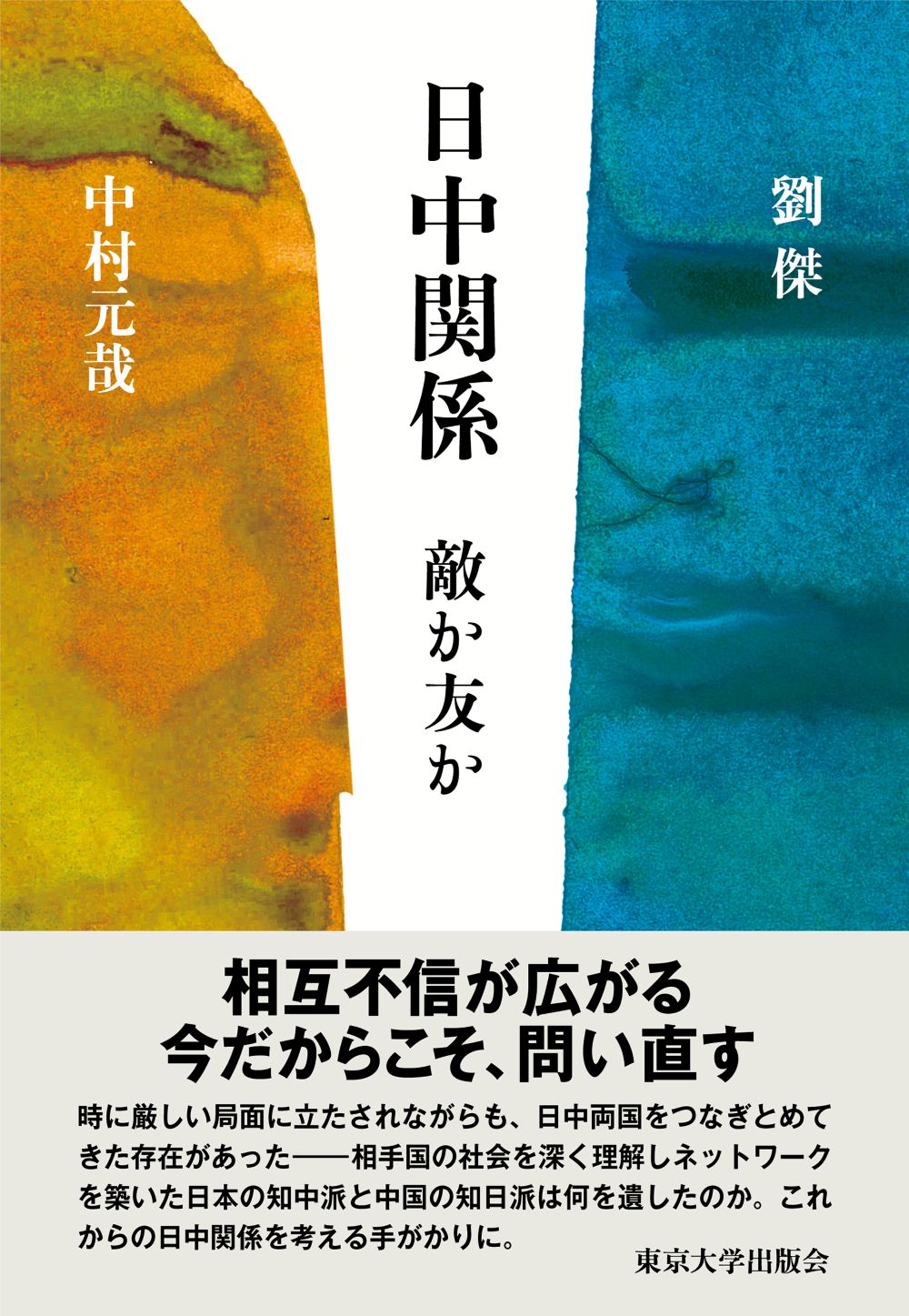
Nitchu Kankei (Japan-China Relations - Between Enemies and Friends)
Size
320 pages, 127x188mm
Language
Japanese
Released
April 22, 2026
ISBN
978-4-13-023088-9
Published by
University of Tokyo Press
Book Info
See Book Availability at Library
Japanese Page
 eBook
In 1972, Japan and China normalized diplomatic relations. Although the relationship between the two countries experienced ups-and-downs, it remained relatively stable until the 2000s. During that period, many people believed that “although there were underlying sources of conflict between Japan and China, bilateral relations would likely improve.” However, the current state of Japan–China relations has deteriorated to an extent that would have been difficult to imagine in the past.
While we cannot continue indefinitely to rely on the notion of the “postwar” period since the end of World War II, within the specifically Japanese meaning of the “postwar” era, Japan–China relations have cooled to an unprecedented low. For Japanese scholars of Chinese Studies, many of whom feel a certain attachment to the country, the present situation is deeply disheartening. At the very least, such scholars must encourage themselves with the belief that “relations cannot deteriorate any further,” and strive to sustain the fragile threads of academic exchange, passing on scholarly networks to the next generation of researchers.
Looking back at the human networks between Japan and China———"personal connections diplomacy”———it is well known that these were formed across various fields throughout the twentieth century. How were these networks established? What effects did they produce and what limitations did they face? Perhaps this history can offer us some valuable insights.
Going forward, Japanese and Chinese scholars must work to clarify the extent to which this “personal connections diplomacy” in Japan–China relations exhibits both general and unique characteristics when compared with bilateral relations between other countries. Moreover, they should communicate to the world that studying the history of Japan–China relations———indispensable to both countries———offers perspectives that are essential for understanding the diverse forms of international relationships. It would be most gratifying if this book contributes, even in part, to building such an academic foundation.
(Written by NAKAMURA Motoya, Professor, Graduate School of Arts and Sciences / 2026)