



Cruise Ships × Ocean Science: Marine Research through the Ponant Science Program
Atmosphere and Ocean Research Institute, The University of Tokyo
Cruise Ships × Ocean Science: Marine Research through the Ponant Science Program
Introduction
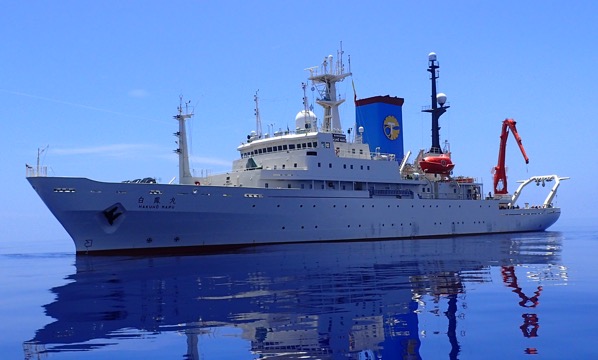
In our laboratory, we routinely conduct oceanographic observations and sampling aboard research vessels and university training ships. In March 2026, for example, we carried out a month-long research cruise aboard the R/V Hakuho Maru, conducting observations of marine ecosystems and atmospheric aerosols in the open North Pacific Ocean.
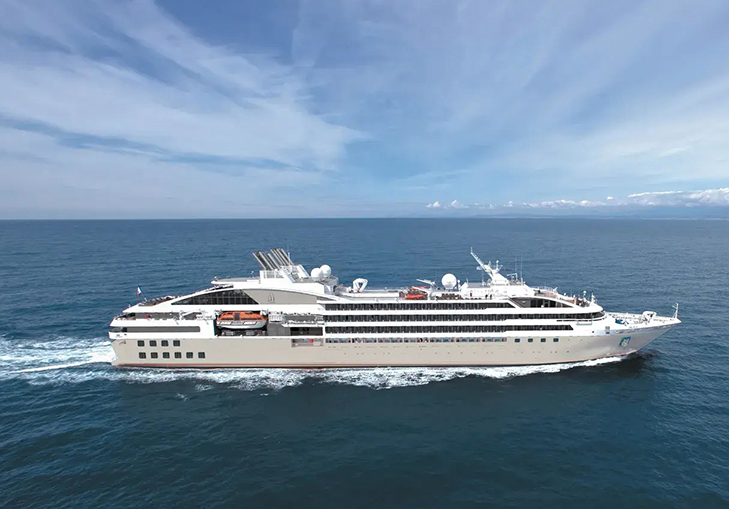
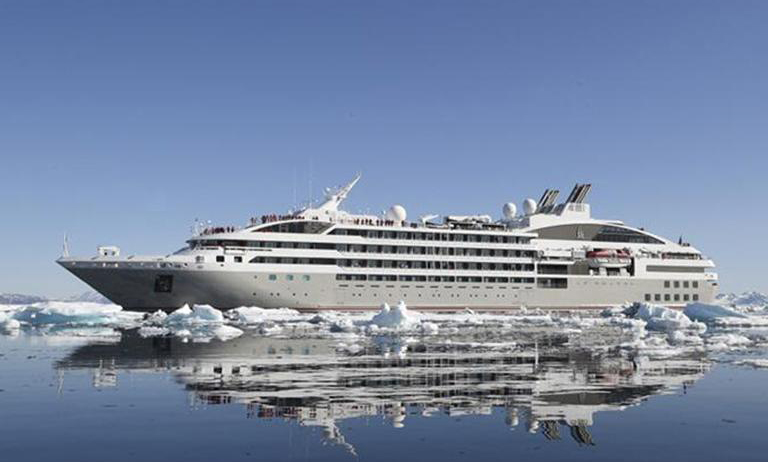
While research cruises are a regular part of our scientific activities, the voyage described here was something quite different. In May 2026, a graduate student, Mr. Okamoto, and I boarded Le Soléal, an expedition cruise vessel operated by the French cruise company Ponant, and conducted marine research during a ten-day voyage around the coast of Japan.
The idea of scientists conducting research aboard a passenger cruise ship may sound unusual. However, Ponant operates a scientific support initiative known as the Ponant Science Program, which provides researchers with accommodation and logistical support for marine observations. In 2026, the program launched its first call specifically targeting Japanese researchers for a cruise around the Japanese archipelago, and our proposal was selected.
Our project, entitled “Invisible Travelers: Microbial Dynamics at the Air–Sea Boundary,” aims to investigate the movement of microorganisms from the ocean into the atmosphere by simultaneously collecting seawater, sea surface microlayer (SML), and marine aerosol samples.
The ocean surface is inhabited by countless microorganisms. The sea surface microlayer—a thin layer only a few tens of micrometers thick at the interface between the ocean and atmosphere—is a unique environment where microorganisms and organic matter become highly concentrated. Some of these microorganisms can be ejected into the atmosphere through wave action and bubble bursting, becoming incorporated into sea spray aerosols and potentially transported over long distances. However, little is known about which microorganisms make this journey from sea to air. Building upon observations conducted in the open ocean during our March Hakuho Maru cruise, we sought to capture these “Invisible Travelers” in coastal waters around Japan.
Preparing for Research aboard a Cruise Ship
Conducting research aboard a passenger vessel differs greatly from working on a dedicated research ship. In addition to developing the scientific plan, we had to coordinate with Ponant regarding contracts between the university and the company, equipment transportation, installation locations onboard, safety procedures, and sample storage requirements.
One of the biggest challenges involved the removal of equipment and samples at the end of the voyage. The cruise was scheduled to continue to Busan, South Korea. Had we remained onboard until the final destination, all frozen samples and scientific equipment would have had to be transported back to Japan from overseas, creating significant logistical and customs complications.
To avoid these difficulties, we worked closely with Ponant and relevant authorities to obtain special permission allowing our research team to disembark at Nagasaki before the vessel continued to Busan. Scientific equipment and frozen samples were unloaded at the same time. This arrangement required the cooperation of the cruise operator, local agents, port authorities, customs officials, and many others.
Tracking Microorganisms from Sea to Air
The vessel departed from Osaka and visited Shingu, Himeji, Takamatsu, Onomichi-Itozaki, Hiroshima, Beppu, Miyazaki, and Kagoshima before arriving in Nagasaki.
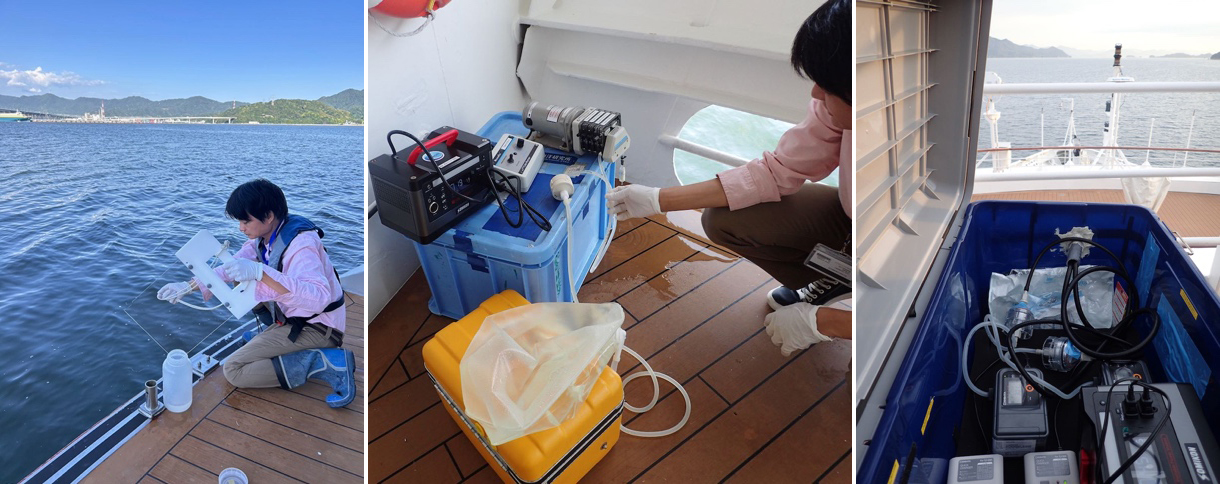
At each port, we collected surface seawater and sea surface microlayer samples from the aft boat deck. The SML was sampled using the glass plate method, in which a glass plate is repeatedly immersed vertically into the sea surface and withdrawn to collect the thin surface film. Samples were then filtered and preserved onboard for subsequent molecular analyses.
During transit between ports, an aerosol sampler installed on an upper deck continuously collected airborne particles. Filters were deployed each evening and recovered the following morning, allowing us to collect marine aerosol samples from a wide range of coastal environments around Japan.
Not surprisingly, environmental conditions varied considerably among ports. In the enclosed waters of the Seto Inland Sea, high concentrations of suspended particles quickly clogged the filters, whereas the clear waters of Kagoshima Bay allowed much larger volumes of seawater to be processed. Such regional differences provide valuable information for understanding the distribution and ecological functions of marine microorganisms.
Conversations with Passengers
One of the most memorable aspects of the voyage was interacting with passengers.
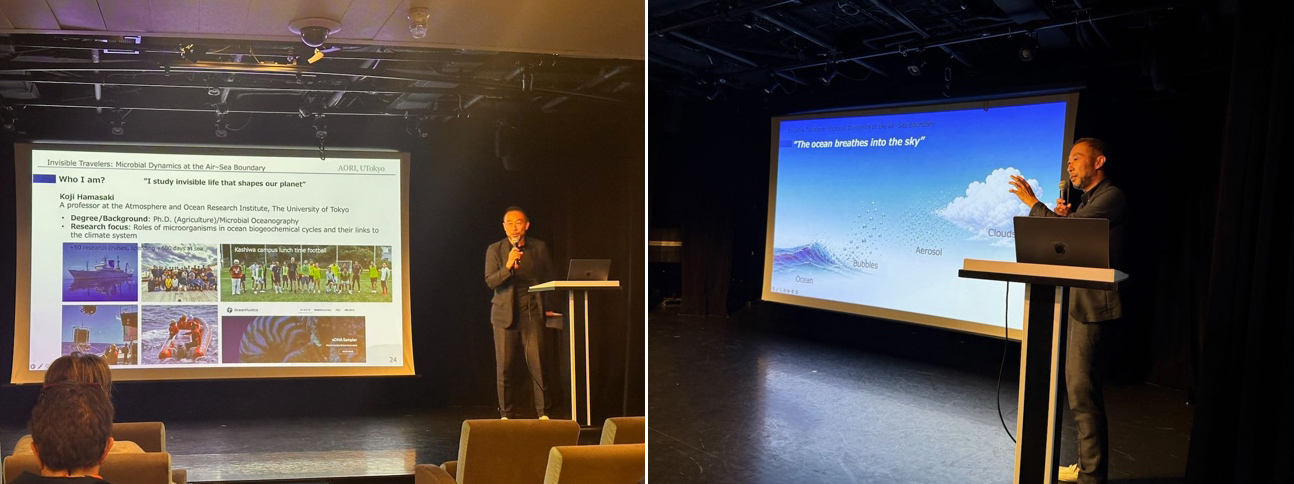
Throughout the cruise, we participated in science lectures and science café events, where we introduced our research and answered questions. Approximately 70% of the passengers were French, so attendance at English-language events was modest. Nevertheless, those who participated showed a strong interest in the science and asked thoughtful questions.
“How do you distinguish good microbes from bad microbes?”
“Can DNA sequencing reveal previously unknown organisms?”
“How does this research benefit society?”
Answering these questions prompted me to reflect on the broader significance of our work and its connection to society. Some passengers expressed strong appreciation for Ponant’s support of scientific research, while others were surprised to learn that a science program was even taking place onboard. These experiences highlighted both the importance and the challenges of communicating science to the public.
Unlike research vessels, where interactions are primarily among scientists, cruise ships provide opportunities to engage directly with people from diverse backgrounds. Being able to share not only research results but also the excitement of scientific discovery itself was one of the most rewarding aspects of the voyage.
Could Cruise Ships Become a New Research Platform?
Before boarding Le Soléal, I expected significant limitations due to the lack of dedicated laboratories and scientific workspaces. In practice, however, the vessel proved more accommodating than anticipated.
The aft boat deck provided excellent access to the sea surface and sufficient space for sampling and filtration work. The deck area used for aerosol sampling was also larger than expected and appeared capable of supporting more sophisticated instrumentation in future projects.
Another important advantage was the presence of an onboard Science Coordinator, who helped facilitate communication among researchers, crew members, and passengers. This support greatly contributed to the smooth execution of scientific activities.
Of course, cruise ships cannot fully replace research vessels. Nevertheless, they offer several unique advantages, including ample deck space, reliable power supplies, and long-duration voyages covering diverse regions. Most importantly, they allow scientific observations and public outreach to occur simultaneously—something that is rarely possible aboard conventional research vessels.
Disembarkation in Nagasaki and Looking Ahead
On 17 May 2026, Le Soléal arrived in Nagasaki. After recovering the final aerosol samples and dismantling our equipment, customs officials verified all scientific materials before unloading was completed.
With that, our ten-day research campaign came to an end.
The samples collected between Osaka and Nagasaki are now being analyzed in our laboratory. By comparing microbial communities in seawater, the sea surface microlayer, and marine aerosols, we hope to better understand how microorganisms are transported from the ocean into the atmosphere.
This experience demonstrated that cruise ships can provide unique opportunities for marine research that complement those offered by traditional research vessels. The Ponant Science Program represents an innovative effort to connect science with society, and I hope to see similar initiatives continue to develop in the future