


East Germany’s Intelligence Operations Targeting Japan: Political and Economic Elites, Information Warfare, and Lessons for Today Revealed through Declassified Documents
Details
| Type | Lecture |
|---|---|
| Intended for | General public |
| Date(s) | February 20, 2026 15:00 — 16:30 |
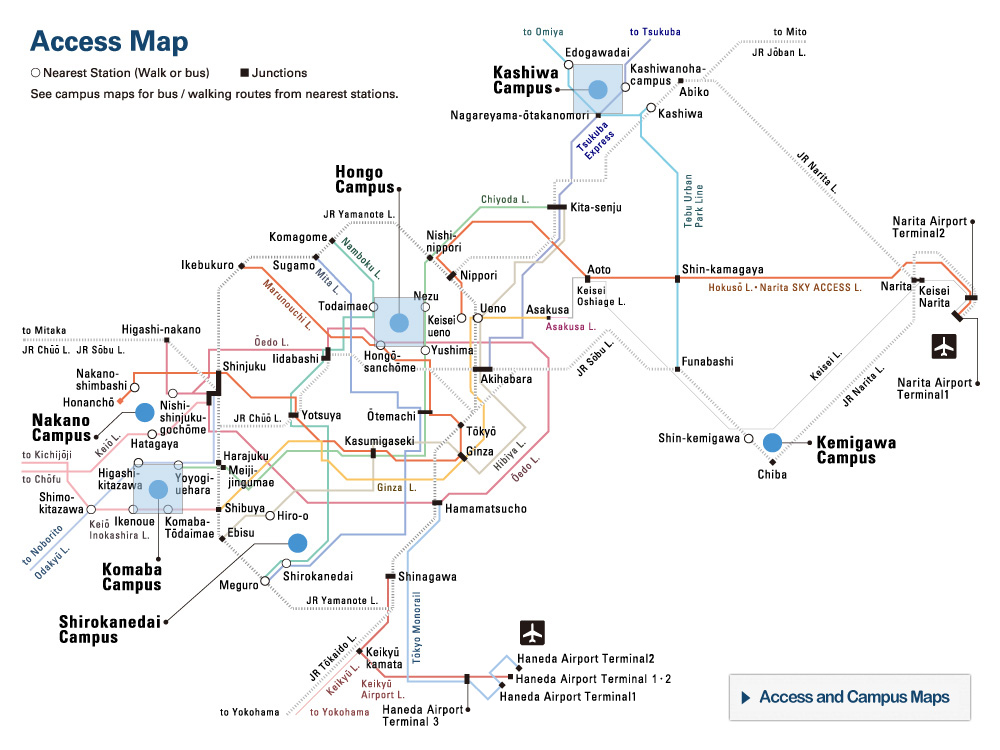
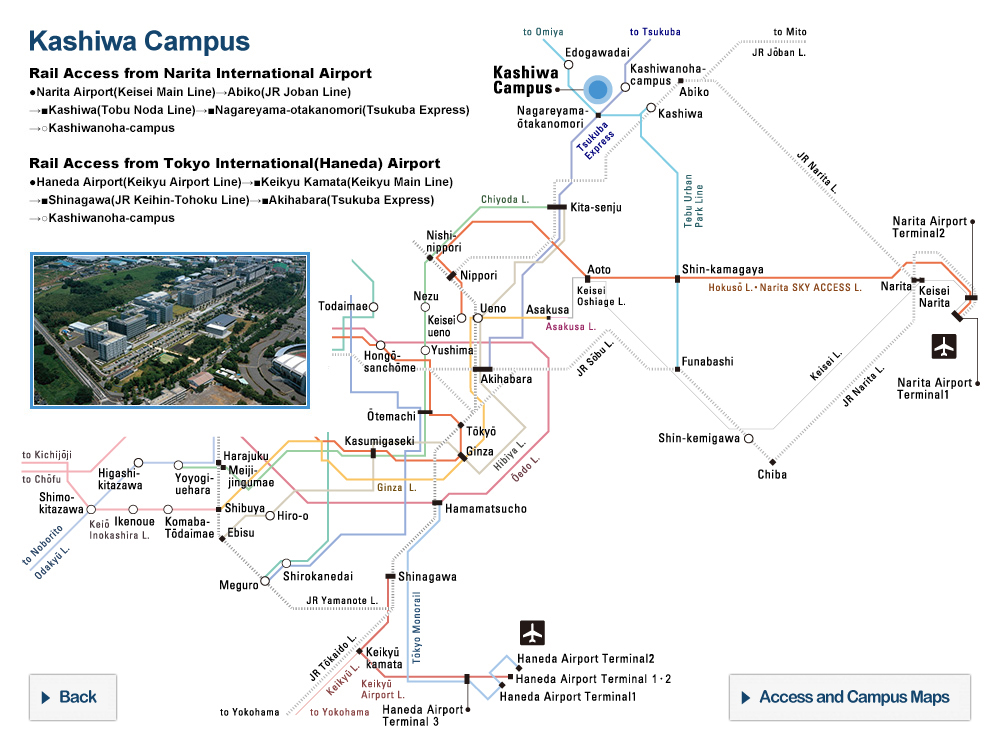
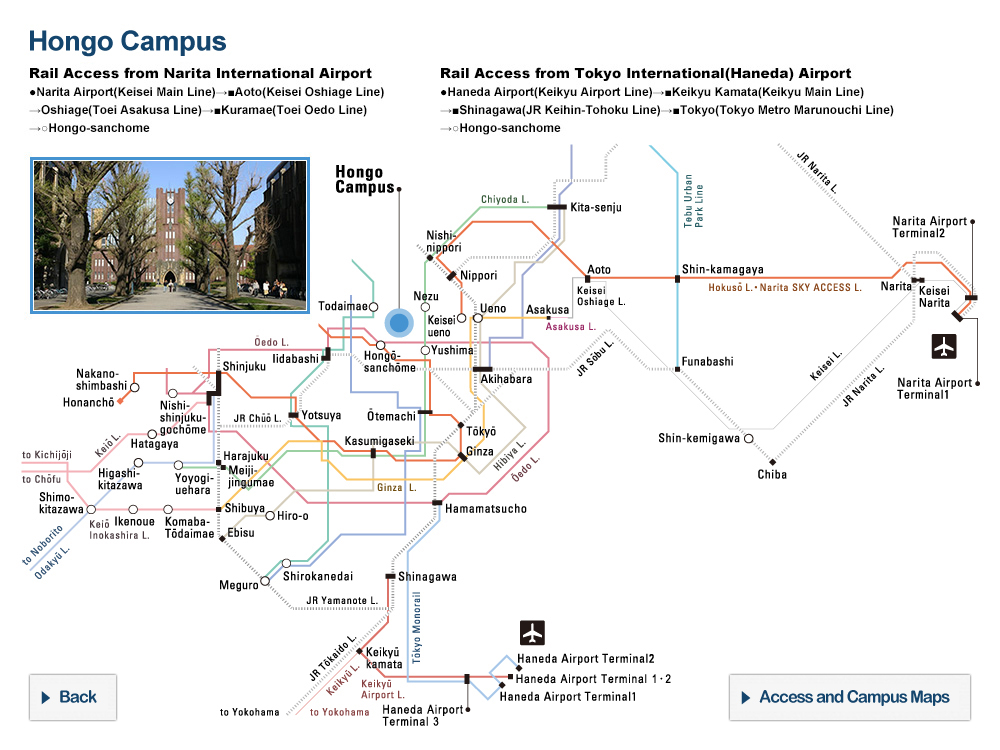
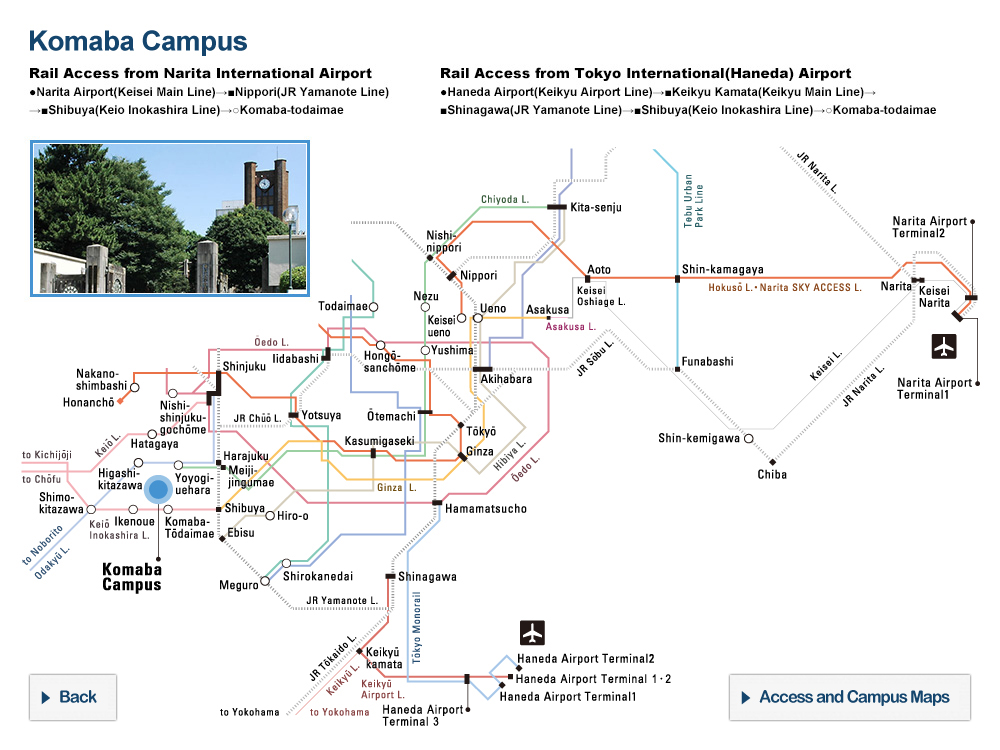
| Location | Komaba Area Campus |
| Venue | 2nd Floor Conference Hall, Building Number 4, Komaba II Research Campus |
| Capacity | 102 people |
| Entrance Fee | No charge |
| Registration Method | Advance registration required
Please register via Google form |
| Registration Period | January 13, 2026 — February 19, 2026 |
| Contact | akira-igata@g.ecc.u-tokyo.ac.jp |
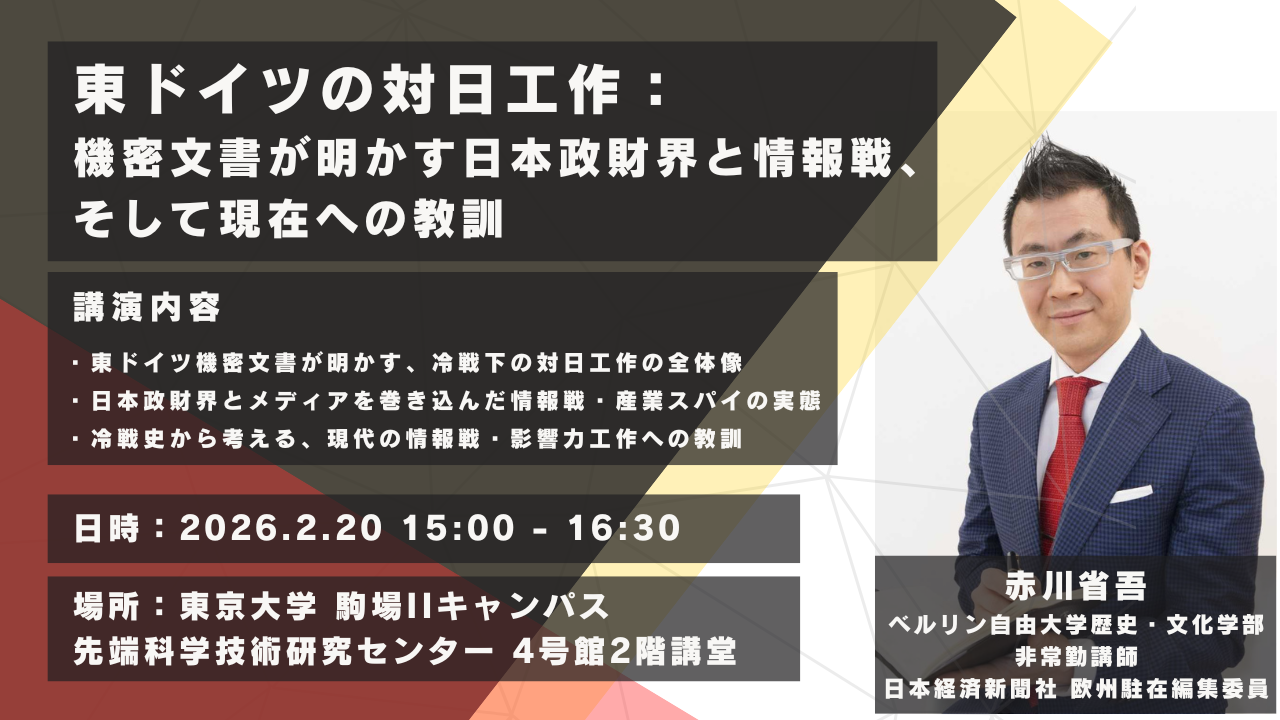
The Economic Security Intelligence Lab (ESIL) at the Research Center for Advanced Science and Technology (RCAST), the University of Tokyo, will host the following public seminar, welcoming Dr. Shogo Akagawa, Visiting Lecturer at the Faculty of History and Cultural Studies, Free University of Berlin, and Europe-based Editorial Writer for The Nikkei.
East Germany’s Intelligence Operations Targeting Japan:
Political and Economic Elites, Information Warfare, and Lessons for Today Revealed through Declassified Documents
In this seminar, we will be joined by Dr. Shogo Akagawa, the author of the newly published book Hidden Histories of the Cold War between Japan and Germany: Truths Revealed by East German Secret Documents (the title translated from Japanese) (Keio University Press, October 2025). Drawing on an extensive body of declassified East German intelligence files and interviews with former government officials, the book offers the most comprehensive analysis to date of East Germany’s policy toward Japan and its covert operations during the Cold War. It sheds new light on how Japan was positioned as a strategic frontline state in the East–West confrontation and examines, through primary sources, the nature of contacts, approaches, and influence activities directed at Japanese actors.
The lecture will examine in detail how East Germany conducted its intelligence and influence operations toward Japan, including efforts to cultivate ties with political, business, and media elites, covert activities disguised as economic and commercial exchanges, and cases of industrial espionage such as illegal semiconductor technology transfers in violation of COCOM export controls. By tracing how Japan became entangled in information warfare and influence operations as a result of fundamental misperceptions about the nature of the Cold War, the seminar will also highlight the vulnerabilities in postwar Japan’s understanding of its international environment and external economic relations.
In addition, the seminar will explore what lessons these Cold War experiences offer for today’s international environment. Information warfare, industrial espionage, disinformation, influence operations, and competition over science and technology have reemerged, in transformed forms, as central challenges in contemporary international politics and economic security. Using historical cases as a point of reference, the seminar will provide an opportunity for participants to reflect, through discussion, on the risks of today’s information environment and how best to confront them.
Speaker:
Shogo Akagawa
Visiting Lecturer, Faculty of History and Cultural Studies, Free University of Berlin;
Europe-based Editorial Writer, The Nikkei
Dr. Shogo Akagawa is widely knowledgeable about European politics, economics, and culture, and maintains an extensive professional network among European political leaders and central bankers. Having grown up in both Japan and Germany, he completed professional training at institutions including the Frankfurt headquarters of Deutsche Bank before joining The Nikkei in 1994. He covered the Prime Minister’s Office, the Ministry of Finance, and the Bank of Japan, and received the Japan Newspaper Publishers and Editors Association Award in 1999. In 2007, he was appointed Europe correspondent and is currently based in London.
Alongside his work as a journalist, Dr. Akagawa serves as a Visiting Lecturer at his alma mater, the Free University of Berlin, where he teaches in German. His academic research is grounded in primary sources such as official documents and in-depth interviews with policy officials, bridging journalism and scholarly inquiry.
His major publications include Die Japanpolitik der DDR 1949 bis 1989 (single-authored, Peter Lang International Academic Publishers, 2020), A Modern Global History of Finance (the title translated from Japanese) (co-authored, Isshiki Publishing, 2018), “Germany Rediscovers Japan: A New Foreign Policy on Japan under Chancellor Scholz” (European University Institute, 2024), and “Die Handelspolitik der DDR in Japan ambitionierten Ziele und Hintergründe,” Zeitschrift des Forschungsverbundes SED-Staat, No. 40 (2016).
Dr. Akagawa regularly writes for and contributes to print and online media in Japan and Europe, and frequently delivers lectures, talks, and media commentary across both regions, including appearances on television and radio, as well as participation in international and academic conferences. In Europe, particularly in Germany, he has conducted repeated policy interviews and exclusive one-on-one discussions with senior political leaders and central bankers, including former German Presidents Christian Wulff, Joachim Gauck, and Frank-Walter Steinmeier; former Chancellors Olaf Scholz and Angela Merkel; as well as finance, economy, and foreign ministers, party leaders from both government and opposition, the President of the Deutsche Bundesbank, and the President of the European Central Bank.
Moderator:
Akira Igata, Project Lecturer, the Research Center for Advanced Science and Technology (RCAST), The University of Tokyo
This seminar will be conducted in Japanese only.
Notes for participants
- For security reasons, no dangerous materials or food/beverages are allowed inside the venue. Please follow staff instructions during the event.
- Please present your valid photo ID (e.g., student ID or driver’s license) at the reception desk on the day of the event. For security reasons, participants who do not provide complete and accurate information regarding their identity, affiliation, and position may not be admitted.