



Charming gate built for princess bride undergoing facelift Akamon Gate (Part 1)
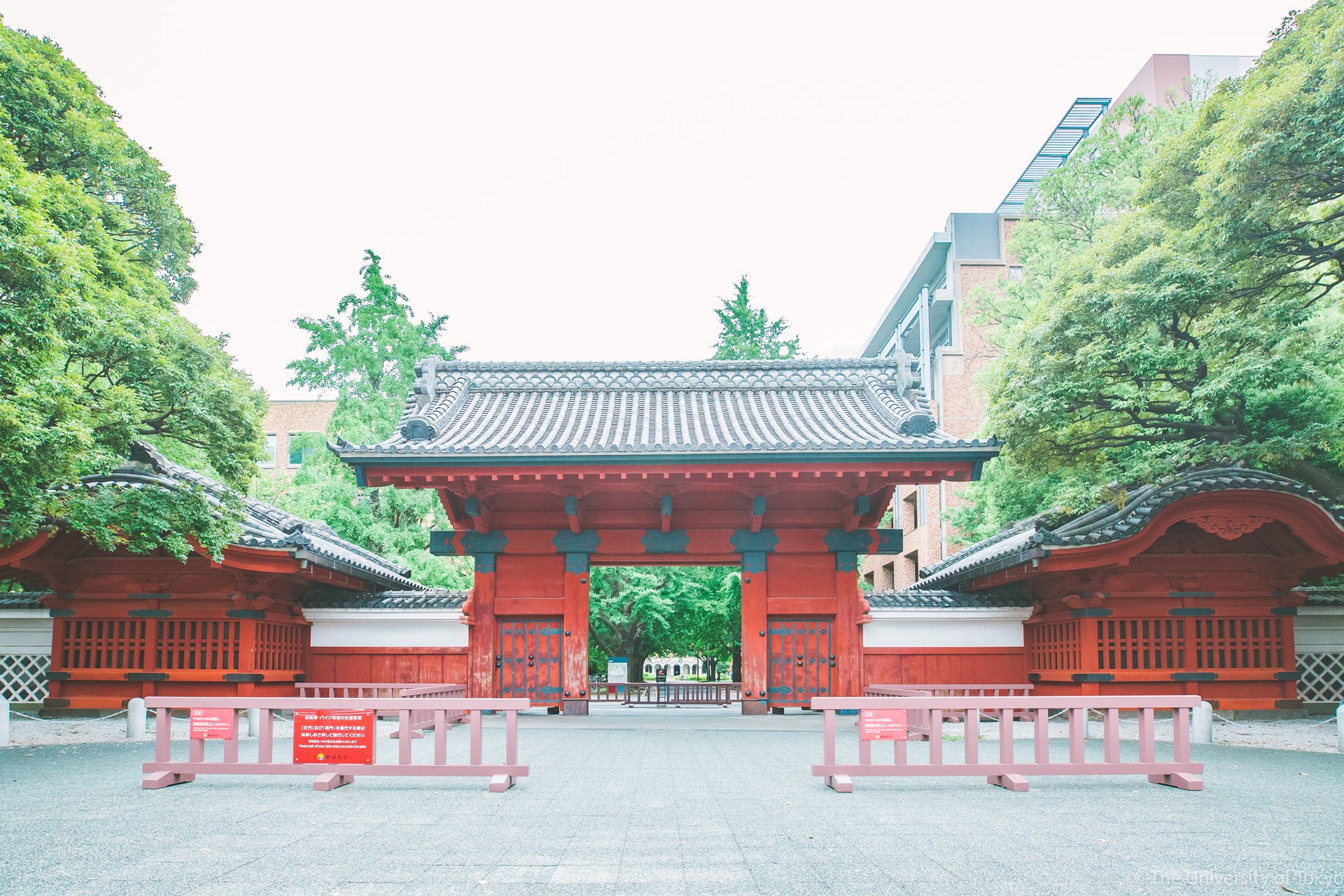
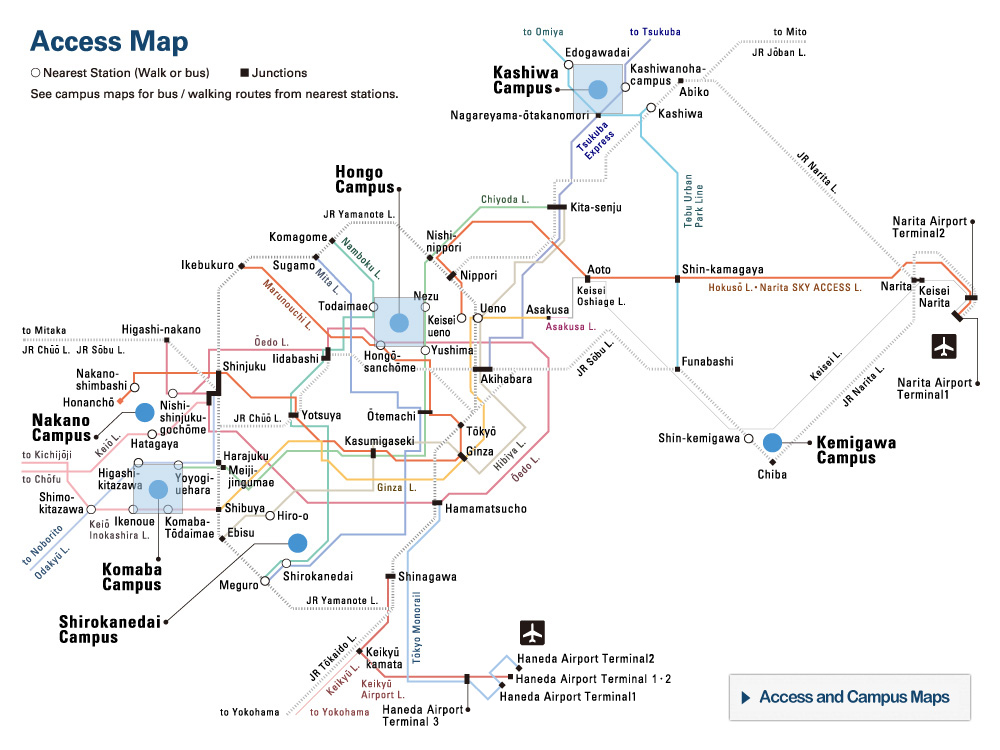
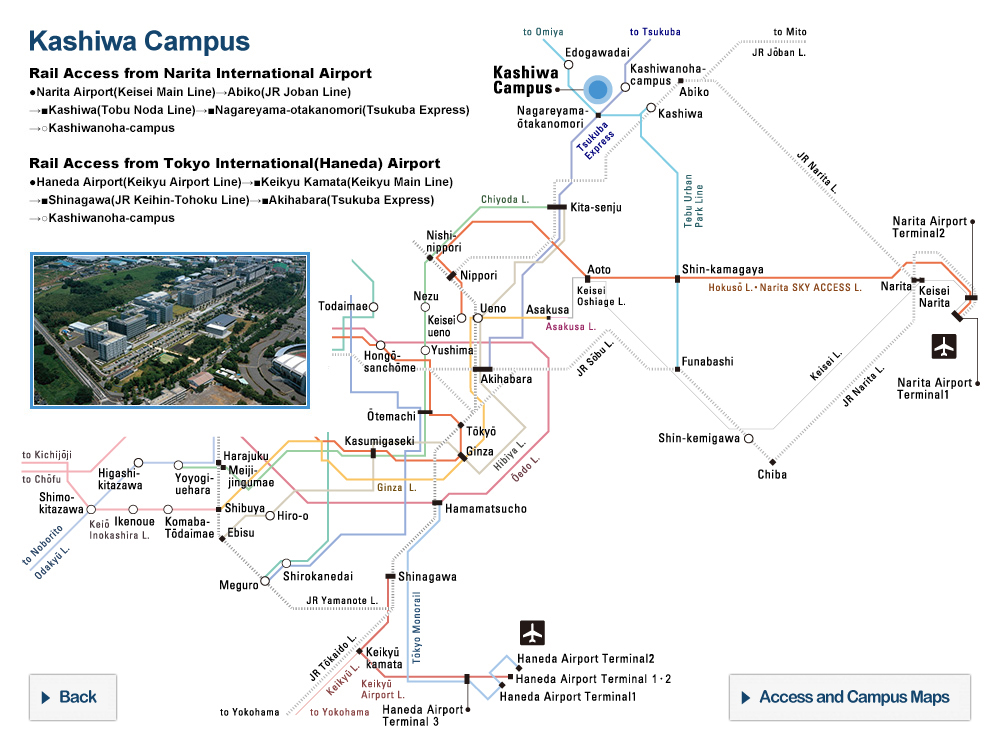
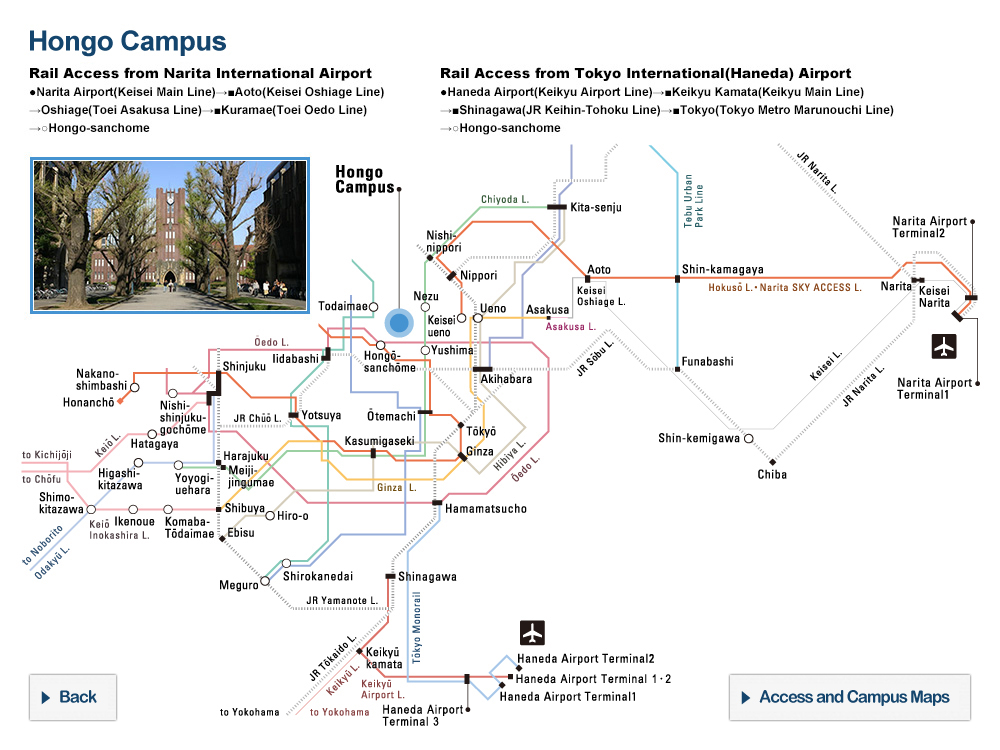
If you walk north from Hongo-sanchome metro station along Hongo-dori avenue in Tokyo, there is a big gate painted in a subdued hue of red on the right-hand side. This is Akamon Gate of the University of Tokyo. (The term akamon means “red gate” in Japanese.) Because of the scaffolding and covering shrouding it right now due to ongoing repairs, a lot of the charming gate is hidden from view.
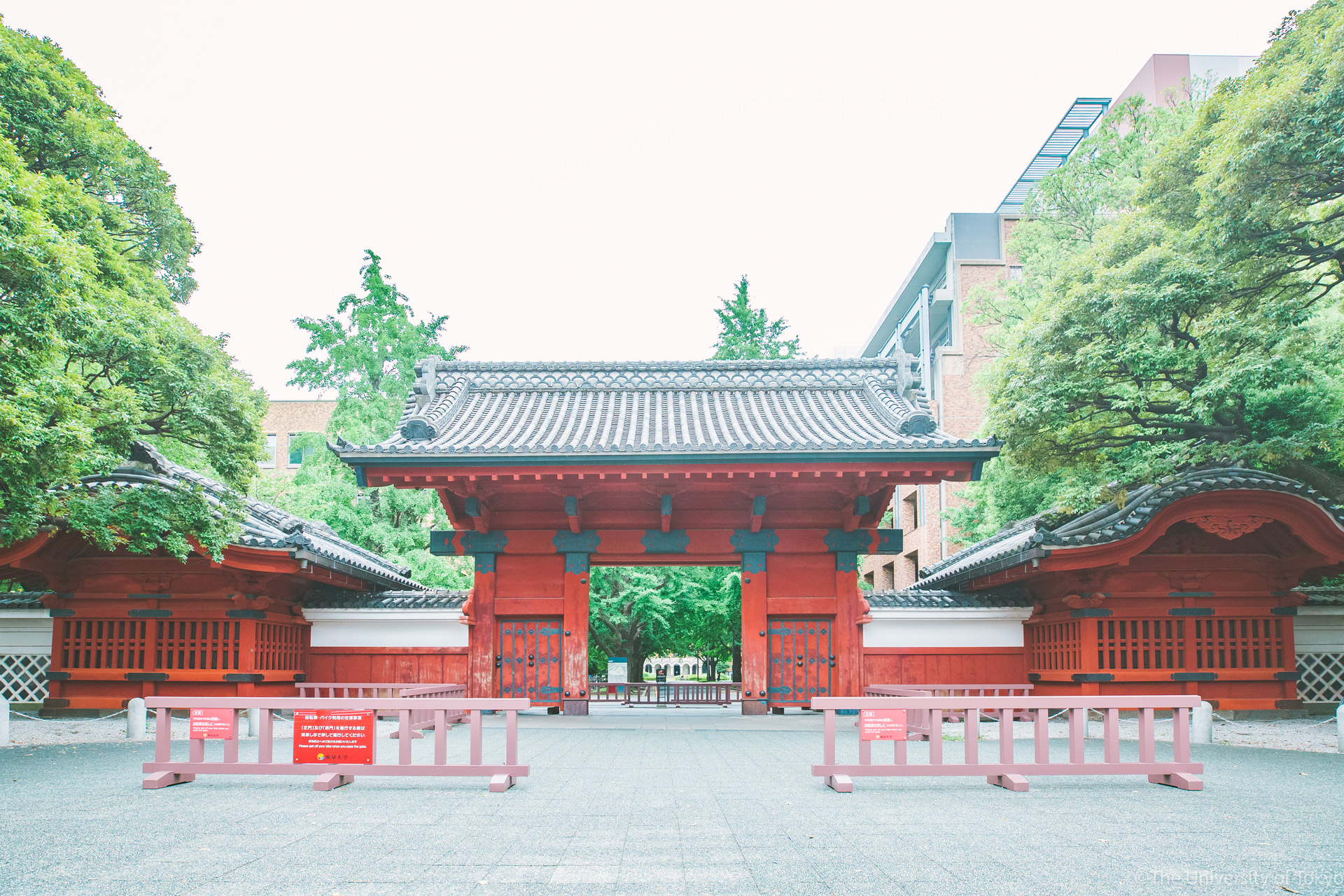
The gate was completed in 1827, in the late Edo period. It will celebrate its bicentennial in 2027, when the repairs are finished. The University of Tokyo, on the other hand, which was established half a century later at the beginning of the Meiji period, will mark its 150th anniversary the same year. So, as you can see, the gate preceded the university by 50 years. But why might that be?
Akamon Gate was built for one woman. She was Princess Yo-hime, a daughter of Tokugawa Ienari, the 11th shogun of the Tokugawa shogunate. The princess got engaged to Maeda Nariyasu, the 12th lord of the Kaga Domain, known for its wealth and power, often characterized as the domain with an annual rice yield of 1 million koku (koku being a unit of measurement roughly equivalent to 150 kilograms, used to weigh rice and as an index of domain wealth). The couple were in their teens at the time. In 1827, Princess Yo-hime entered the Kaga Domain’s residence in the capital, Edo (now Tokyo), in a magnificent procession. This ceremonial entry is known as koshiire, a formal bridal journey. A woodblock print depicting the entry was created some decades later.
The Kaga Domain built a gate exclusively to receive the shogun’s daughter as a bride. This was the Akamon Gate. After the Tokugawa shogunate fell and the Meiji government was established, the land on which the Kaga Domain’s Edo residence stood became the site of the University of Tokyo. The university has since carefully preserved and cherished the Akamon Gate.
Under Edo-period customs, a gate built solely to welcome a Tokugawa princess on her bridal entry was traditionally dismantled after her death. However, Akamon survived, almost miraculously, because Princess Yo-hime outlived the Tokugawa shogunate, dying shortly after its demise. In Tokyo, where fires, earthquakes and wartime destruction have made it difficult for old structures to survive, Akamon has endured such calamities and now stands as a rare architectural reminder of the Edo period. It is also designated as an Important Cultural Property.
Akira Matsuda, associate professor of cultural resources studies at the Graduate School of Humanities and Sociology, whose expertise includes public archaeology, is a core member of a universitywide project dedicated to preserving Akamon. We caught up with him to learn more about the gate.
Constructing a large and intricately designed gate like Akamon must have been a major undertaking even in the Edo period. Who, then, carried out the work? According to Matsuda, the Kaga Domain residence contained an office called sakujikata, which served as the domain’s construction department and was responsible for building Akamon. Therefore, the gate was not built by ordinary carpenters of Edo.
From symbol of prestige to everyday fixture of campus life
On each side of Akamon is a guard post called a bansho. The workmanship on the roof design featuring an arched gable with undulating bargeboards (a style called hafu) is exquisite. A bansho was a place where domain samurai would take turns standing sentry. Matsuda said security guards of the University of Tokyo continued to stand watch there from the establishment of the university on the grounds of the former Kaga Domain residence until about the 1960s. Because winters were cold, the floor once had an irori, a sunken hearth, for warmth, though it no longer exists today. One can imagine that winters in the Edo period must have been harsh as well.
Akamon was painted red with special permission from the shogunate, as the color signified the high status bestowed on welcoming a daughter of the shogun. The gate was likely kept closed most of the time. But then, how many times a year was it actually opened?
“I would assume that when Princess Yo-hime went to visit her father, the shogun, at Edo Castle, Akamon would have been opened for her,” Matsuda explained. “It was truly an exclusive gate; not even the lord of the Maeda clan was allowed to pass through it.” There are no extant records of when the gate was opened and closed, but one assumes it was probably only a few times a year. What an extravagant arrangement that is. Yet women of high status in the Edo period were not free to go out as they wished. They could not simply slip out to watch a kabuki performance. Today, once the restoration is complete, we will be able to walk through Akamon freely again. What a luxury and how fortunate we are to live in such times.
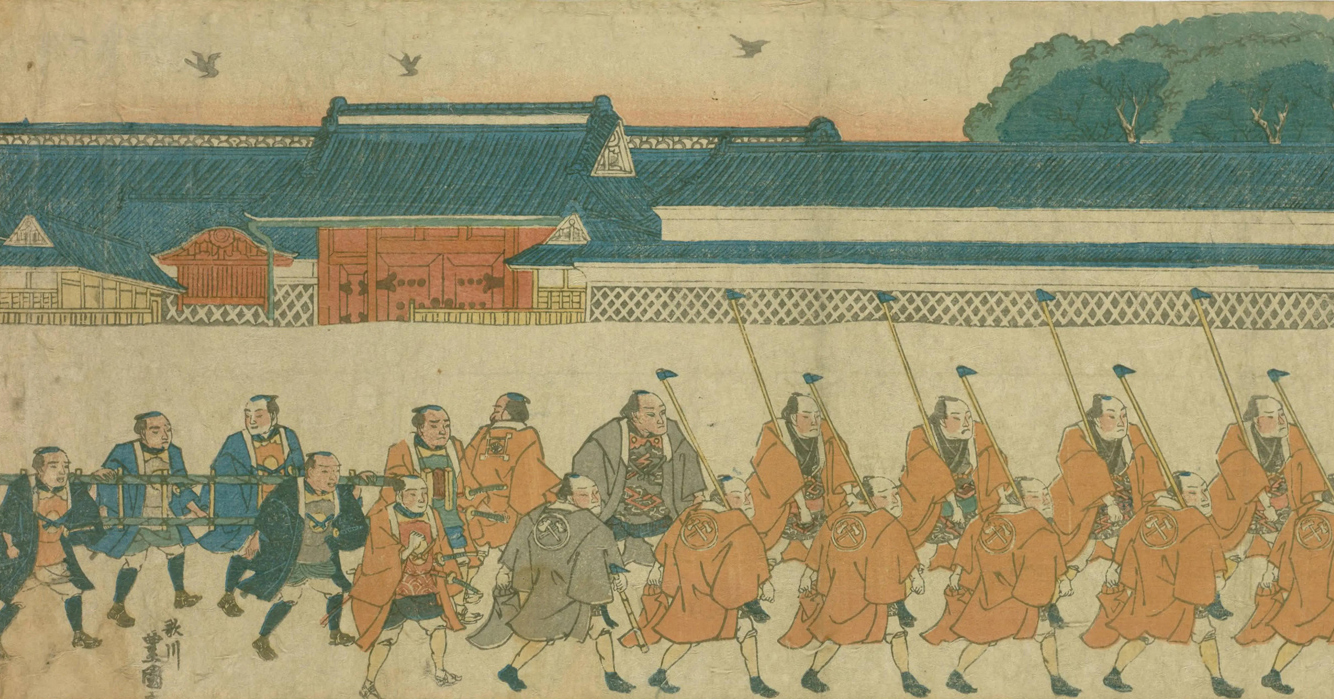
Large fires broke out frequently in the city of Edo. Some daimyo (feudal lord) residences maintained a firefighting unit, known as daimyo hikeshi, which also responded to nearby fires. Among them, the Kaga Domain’s unit, called Kaga-tobi, was the talk of the town. It was admired for its striking uniforms, expertly crafted equipment, remarkable speed and outstanding firefighting skills. Members of the Kaga-tobi fire brigade were also stationed at the Kaga Domain residence where Akamon stood. Even in the event of a fire, however, they could not pass through Akamon. Other gates, such as service gates and gates for the domain’s samurai and retainers, were available for daily passage instead. In a vivid Edo-period woodblock print titled Kaga-tobi no Zu (“Picture of Kaga-tobi”), stored at the National Diet Library in Tokyo, Akamon appears in the background behind the fire brigade marching in formation. This print clearly shows the gate was standing two centuries ago, during the Edo period.
Upkeep for posterity
Akamon has suffered damage from aging and the elements over the years, and it has undergone numerous repairs. “Traditional Japanese architecture is meant to be preserved through continuous care and repair,” Matsuda explained. “Damaged wood is replaced as needed and, although we are not doing so this time, lacquer is reapplied when it begins to wear off. These practices are built into the very process of preserving such structures.”
According to the historical timeline, both the famed Arc de Triomphe in Paris and Akamon were built in the first half of the 19th century. Although they were constructed at nearly the same time, there is a stark contrast in the impression they give — one being a massive stone monument in the West, and the other, an elegant wooden gate in the East. “What the two have in common, though, is that they were both built to honor a single person,” Matsuda pointed out. Akamon was created for Princess Yo-hime, as mentioned, while the Arc de Triomphe was built in honor of Napoleon I.
Master Keaton is a Japanese manga series featuring an archaeologist as the main character. The protagonist teaches at a Japanese university and occasionally investigates suspicious cases for a British insurance company. He escapes dangerous situations by drawing on his knowledge of archaeology. Matsuda said he first read this manga in high school and that it inspired him to become an archaeologist. He might even resemble the main character in some ways.
In Part 2, we talk with an engineering professor on why Akamon is in need of restoration right now.

Akira Matsuda
Associate Professor, Graduate School of Humanities and Sociology
Specializes in cultural resources studies, public archaeology and heritage studies. Completed the master’s program in cultural resources studies at the Graduate School of Humanities and Sociology, the University of Tokyo, and received a Ph.D. from the Institute of Archaeology, University College London. Has held his current position since 2015. Co-authored works include Bunkazai no katsuyo towa nanika (“Utilization of cultural properties”) (Rokuichi Shobo, 2020) and Reconsidering Cultural Heritage in East Asia (Ubiquity Press, 2016), among others.
Interview: Yasushi Nakashima