




Redirecting the immune system to block pollen A compound found in marine animal gut bacteria may transform hay fever treatment

Hay fever — marked by a runny nose, sneezing and itchy eyes — significantly disrupts the daily life and sleep patterns of those affected. In Japan, where its prevalence has climbed over the past few decades, an estimated 40% of the population now suffers from kafunsho, as it is commonly known, an acute allergic reaction to pollen, primarily released by cedar trees.
Naoki Morita, a research associate in the Laboratory of Immunology and Infection Control (Shinkura Lab) at the Institute for Quantitative Biosciences, is pursuing a radically different approach to treating the allergy: modifying the immune system and blocking pollen from entering the body.
When allergens such as cedar pollen enter the body, a type of immune cells called B cells respond by generating an antibody called immunoglobulin E, or IgE. This antibody binds to mast cells, a type of white blood cell in our immune system constantly on the alert for invaders, priming them for attack. The next time pollen enters our body, the mast cells release histamine and other chemicals, triggering an overreactive immune response — an allergy — which causes the sneezing and itchy eyes familiar to hay fever sufferers.
While current treatments, such as antihistamines or steroid drugs, are largely symptomatic — meaning they are aimed at suppressing allergic reactions that have manifested themselves, rather than treating the underlying cause — Morita and his fellow researchers have focused on inducing B cells to produce immunoglobulin A (IgA) antibodies, instead of the IgE class responsible for launching our body’s allergic response. IgA acts as a frontline defender, serving as a barrier against allergens on the mucosal surfaces lining our bodily organs and canals, blocking the invaders from entering our body.
“Our aim is not to impede the immune reaction,” Morita, who specializes in gut and mucosal immunity, said. “The core of our research is about changing the course of that flow, redirecting the immune system to produce IgA instead of IgE.”
A course-shifting compound
Which antibody a B cell produces is determined by signaling proteins called cytokines, secreted by immune cells such as T cells. Those signals instruct B cells to produce IgE or IgA or a different class of immunoglobulin antibody.
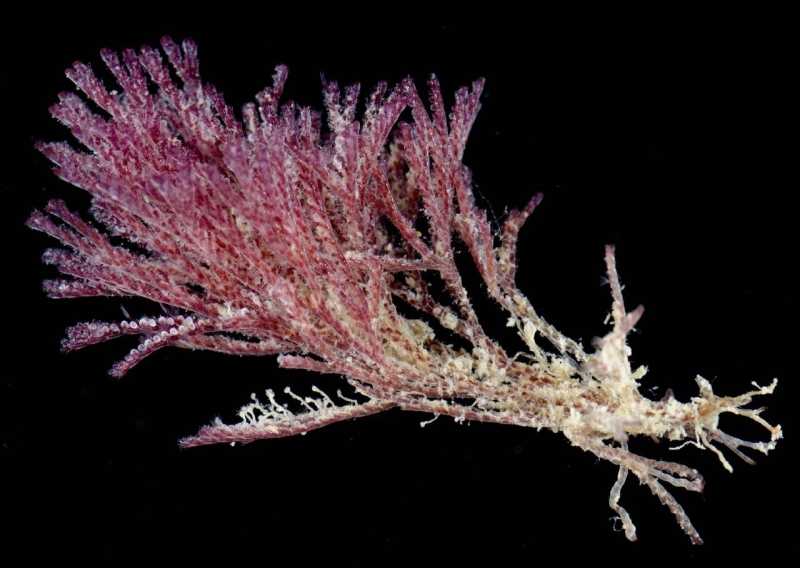
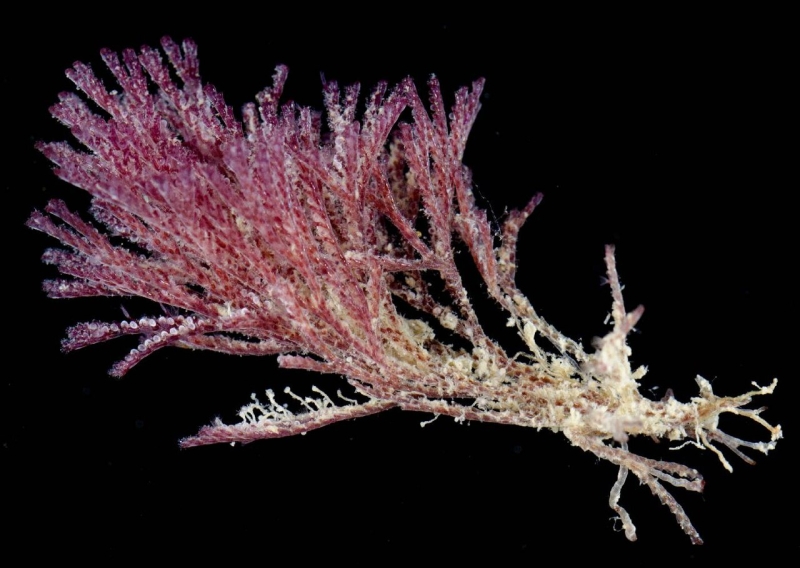
In search of a chemical compound capable of steering the immunoglobulin class switching toward IgA, the team screened some 6,000 candidates and landed at bryostatin 1, a natural compound produced by bacteria found in the gut of a marine invertebrate animal called Bugula neritina. The compound has been tested in multiple clinical trials internationally as a potential treatment for cancer and Alzheimer’s disease, and no serious side effects have been reported so far.
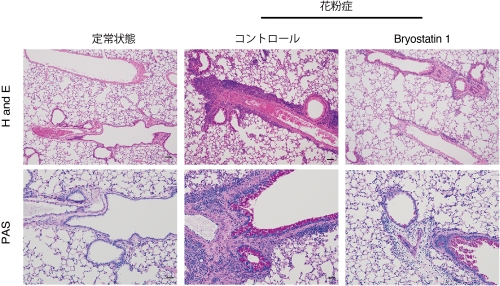
In experiments using knock-in mice genetically engineered to be allergic to cedar pollen, researchers administered bryostatin 1, along with pollen antigens, through the animals’ nose. The treatment suppressed IgE production while increasing IgA levels, resulting in a significant reduction in hay fever symptoms, including sneezing and allergic conjunctivitis, an inflammation in the eyes also known as pink eye. Morita noted that intranasal delivery offers an added advantage: Should side effects occur, they are likely to remain localized.
The team has since confirmed similar results in knock-in mice allergic to ragweed pollen, suggesting the treatment may work across different allergens. Studies have also reported bryostatin 1 to reduce food allergy symptoms in mice. As the next step, the team hopes to begin clinical trials in collaboration with overseas researchers.

Inspired by immune cells to cure disease
Morita first took an interest in immunology when he was an undergraduate student in the Faculty of Pharmacy at Osaka Ohtani University. Upon learning that T cells and B cells patrol every corner of the body in search of invaders, he began to wonder whether understanding those cells might help unlock treatments for a wide range of diseases.
His interest grew further when he enrolled in an undergraduate tumor immunology seminar. Watching tumors shrink in mice after the animals were given drugs activating their immune cells cemented his decision to pursue a research career.
Morita went on to study at Osaka University’s Graduate School of Medicine, where, under the tutelage of Professor Kiyoshi Takeda, he investigated the interactions between white blood cells called macrophages, which stimulate immune response, and gut bacteria. When he completed his doctorate, a typical path would have been to land a postdoctoral position abroad. But he chose to go forward differently, knocking on the door and in 2019 joining the laboratory of Professor Reiko Shinkura at the University of Tokyo, which focuses on IgA and its interactions with gut bacteria.
“Immunology research in Japan ranks among the top in the world,” he said. “I decided I would rather dedicate the time I would spend adjusting to a new life and research environment overseas, to focus on research itself.”
Zooming in on the mechanisms of the gut microbiome
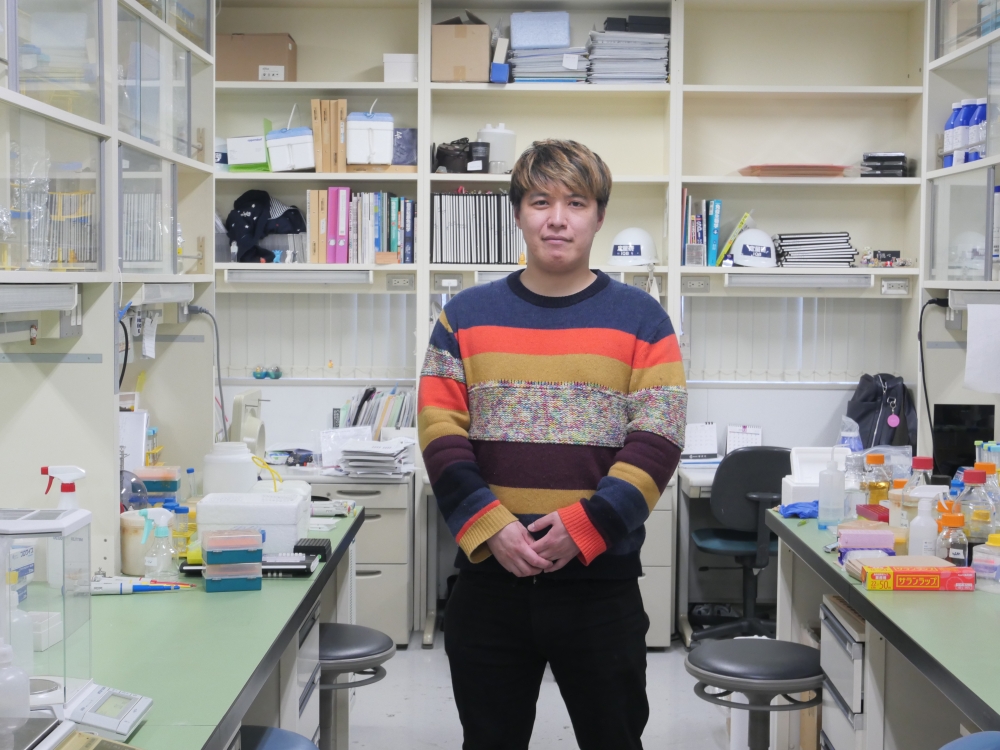
Alongside his research on hay fever treatment, Morita is also engaged in studying the gut microbiome — the roughly 100 trillion bacteria estimated to inhabit our intestines. Most of the bacteria, however, remain a black box shrouded in mystery and are poorly understood. Morita’s team is currently analyzing the gut microbiota of patients with various diseases, with an aim to identify associations between particular bacteria and particular diseases. But Morita has set his sights on going a step further.
“What are the harmful bacteria actually doing?” he said. “What metabolites (byproducts of metabolism) do they produce, and how do those metabolites interact with cells and molecules in the body to ultimately cause disease? I want to identify the mechanism.” In the long run, he hopes to develop new treatments that directly target particular gut bacteria.
“The great thing about being a researcher is to be able to test your own ideas yourself,” Morita said. Although experiments didn’t always go as smoothly as he had hoped, Morita tried never to dwell on such setbacks, but rather to keep pushing forward and move on.
“I want to continue pursuing original and compelling research,” Morita said. “And rather than letting it end as just self-gratification, I want to give something back to society.”