



Big IDEAS - Against Symbolic Liberalism: A Plea for Dialogical Sociology
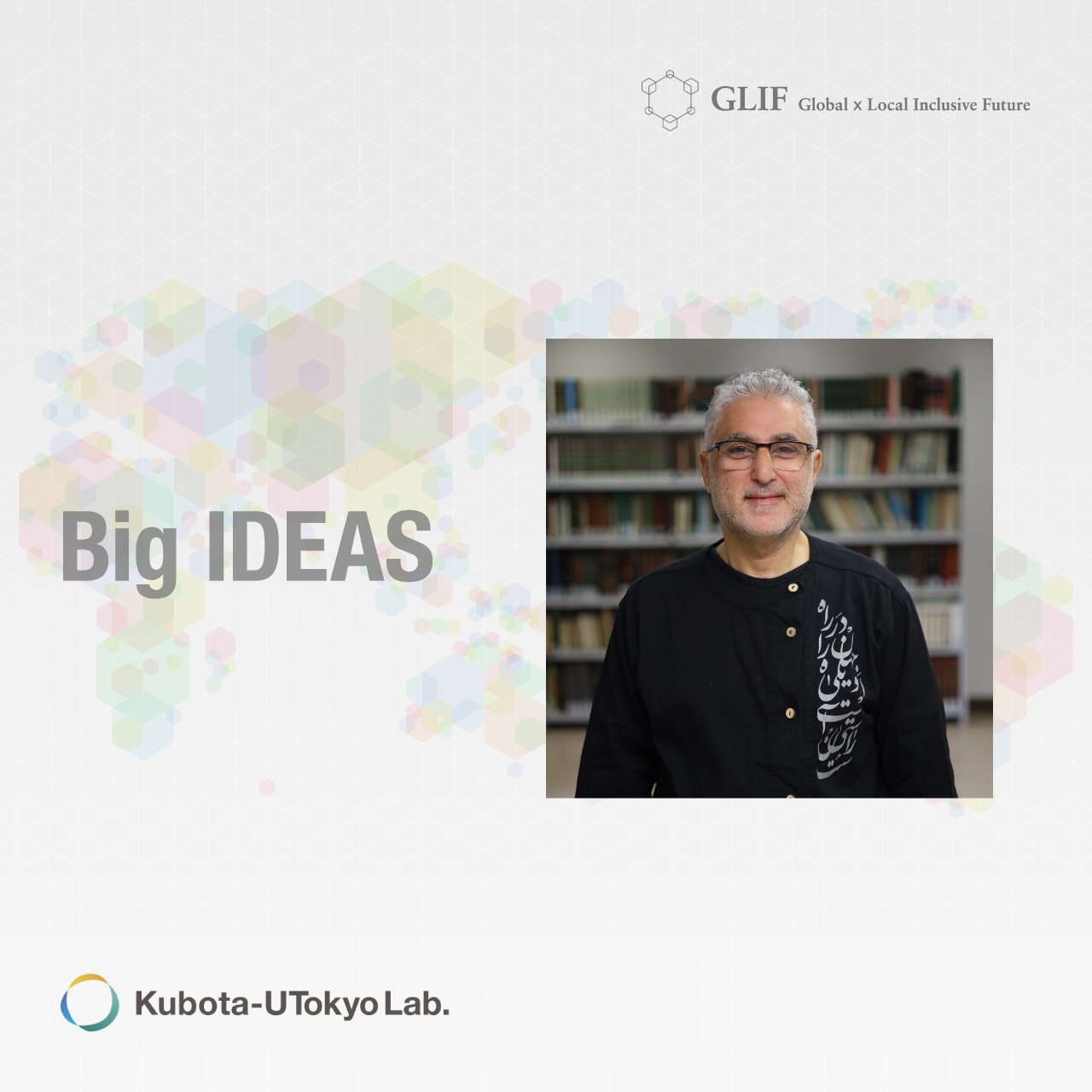
Details
| Type | Lecture |
|---|---|
| Intended for | General public / Enrolled students / Applying students / International students / Alumni / Companies / Elementary school students / Junior high school students / High school students / Technical college students / University students / Academic and Administrative Staff |
| Date(s) | February 17, 2026 18:00 — 19:00 |
| Location | Online |
| Venue | Online (Zoom Webinar) |
| Entrance Fee | No charge |
| Registration Method | Advance registration required
Please register by filling out the form on the application page below. https://glif.ga.a.u-tokyo.ac.jp/en/events/480/ |
| Registration Period | February 2, 2026 — February 17, 2026 |
| Contact | Mail: contact-group@g.ecc.u-tokyo.ac.jp |
Against the backdrop of deepening polarization in the world, Professor Sari Hanafi examines in his book, Against Symbolic Liberalism: A Plea for Dialogical Sociology, how social scientists often reproduce the very injustices they seek to challenge, taking entrenched positions while dismissing alternative perspectives. He introduces the concept of symbolic liberalism – a contradiction in which individuals espouse classical liberal principles, yet act in politically illiberal ways. He argues that this concept has exacerbated the pathologies of late modernity: authoritarianism, economic precarity and environmental destruction, now all unfolding in a climate where reasonable debate seems increasingly impossible. Examining key flashpoints of contemporary polarization, Professor Hanafi critiques how symbolic liberalism inflates the universality of rights while simultaneously narrowing the space for dialogue. Rather than this rigid ideological stance, he calls for a dialogical turn, a renewed public sphere where diverse conceptions of the “(common) good” engage in genuine conversation. Blending political and moral philosophy with sociological critique, he offers a path forward in an age when intellectual exchange is more necessary, yet also more imperiled, than ever.