



Love story gifts everlasting name to campus pond Sanshiro Pond (Part 1)

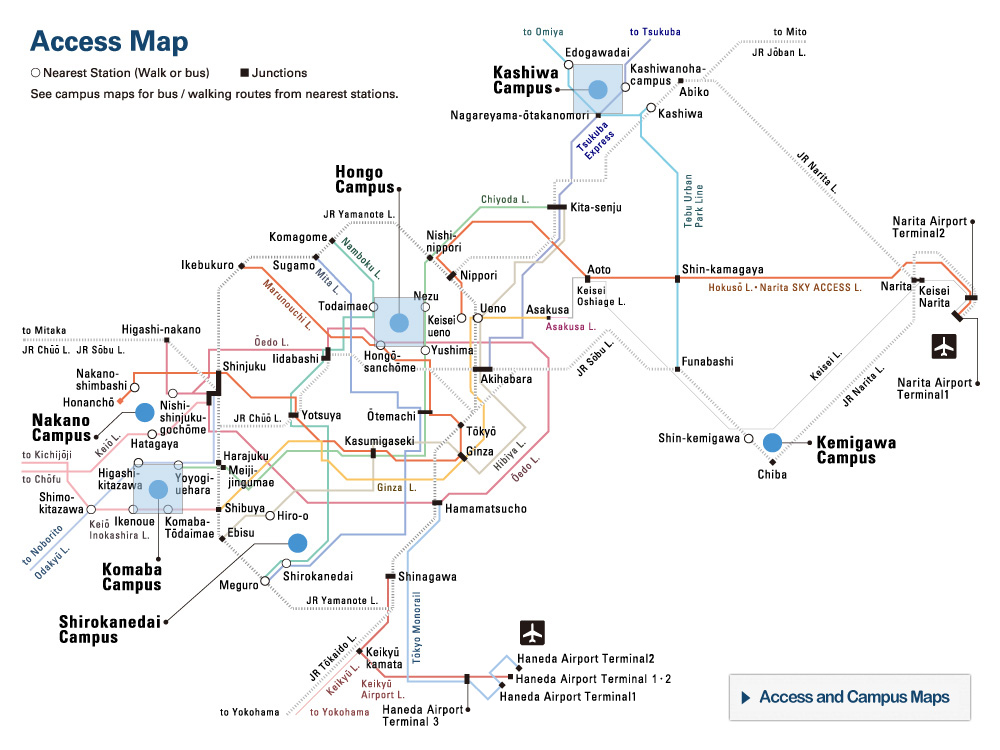
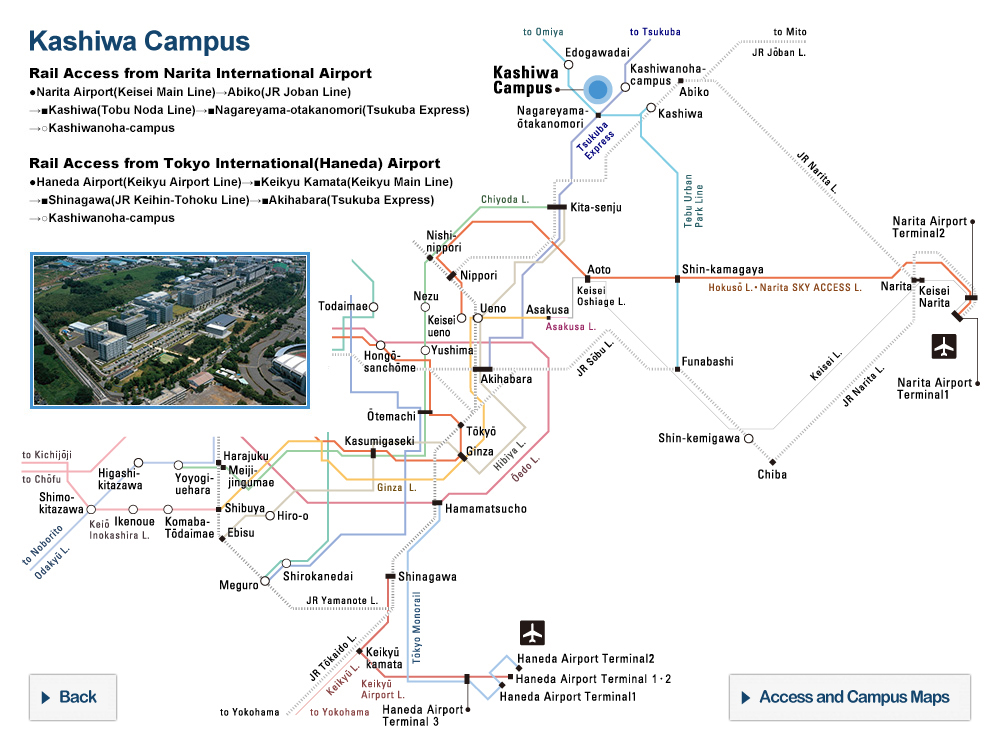
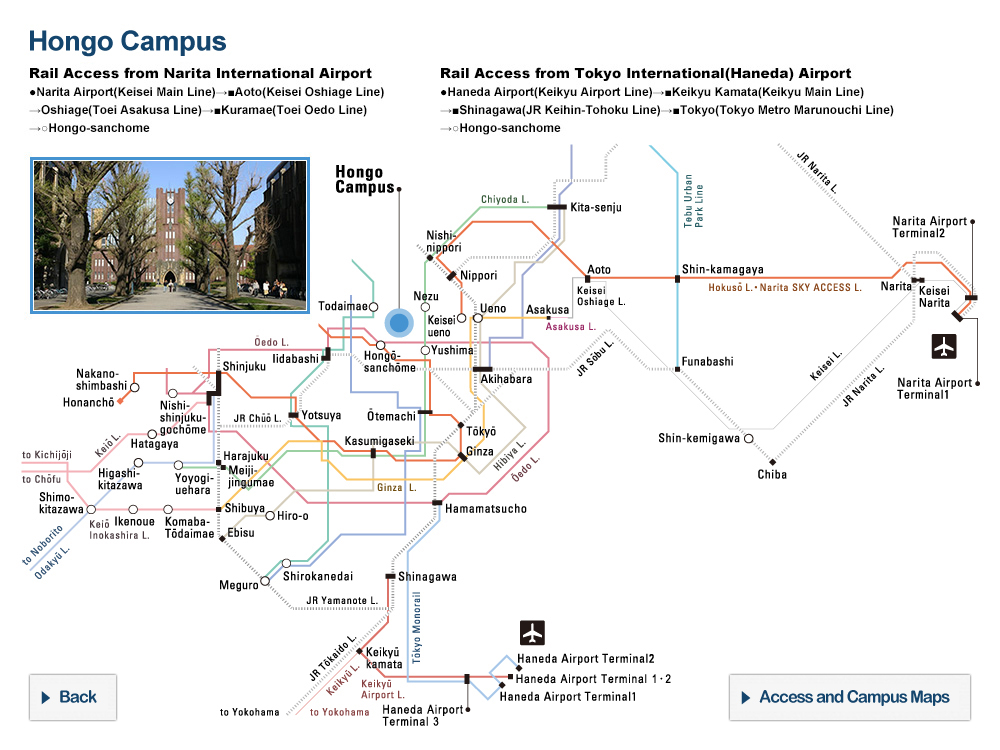
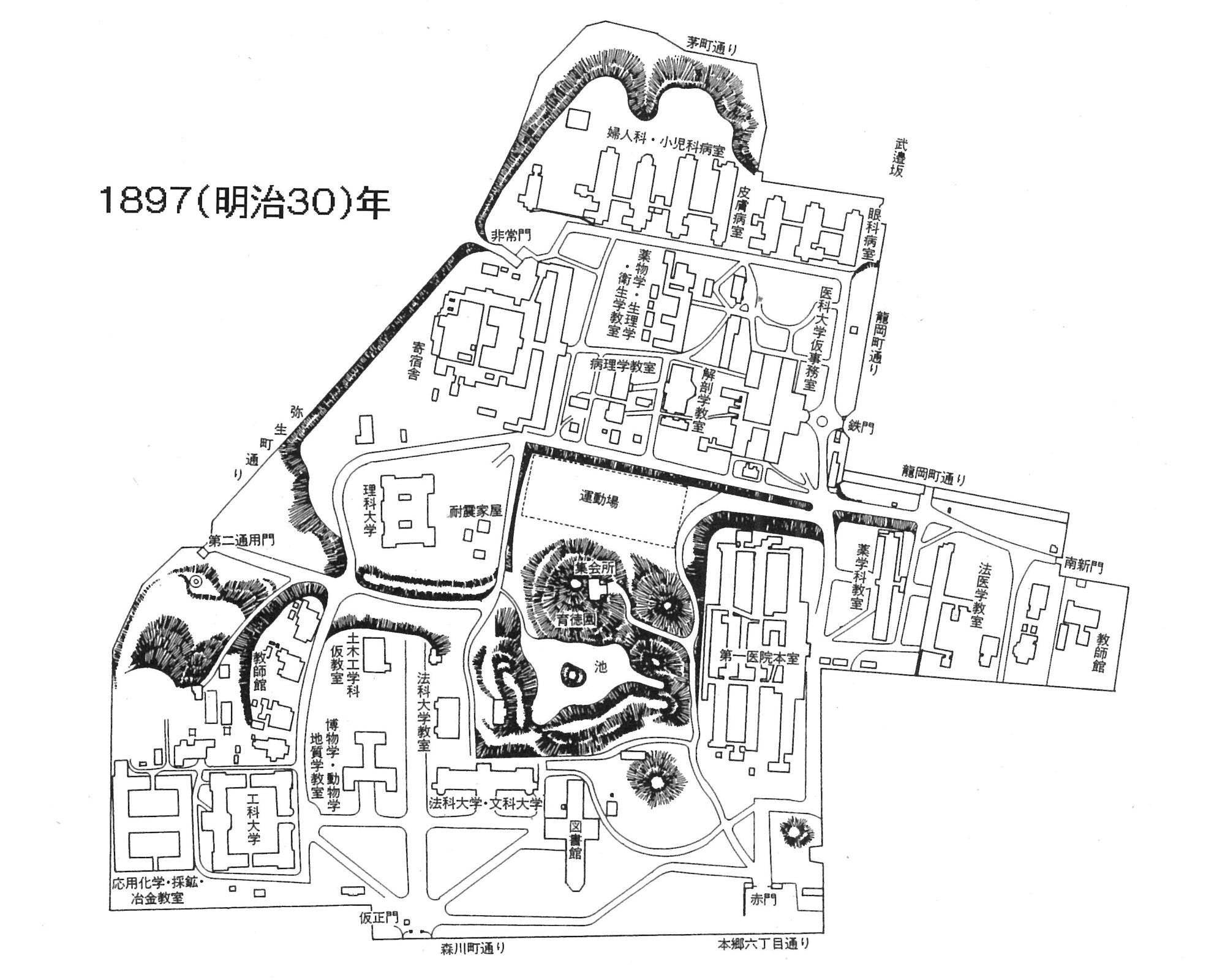
Sanshiro Pond is situated in the center of the University of Tokyo’s Hongo Campus. It is a university landmark, along with Akamon Gate and other storied treasures. The pond was created in 1638, during the Edo period, within the residence of the Maeda clan of the Kaga Domain, in Edo (present-day Tokyo). It later became part of the University of Tokyo when the grounds of the former feudal lord’s residence were designated as the site of the university’s campus. The pond has since been cherished by members of the university community and visitors alike.

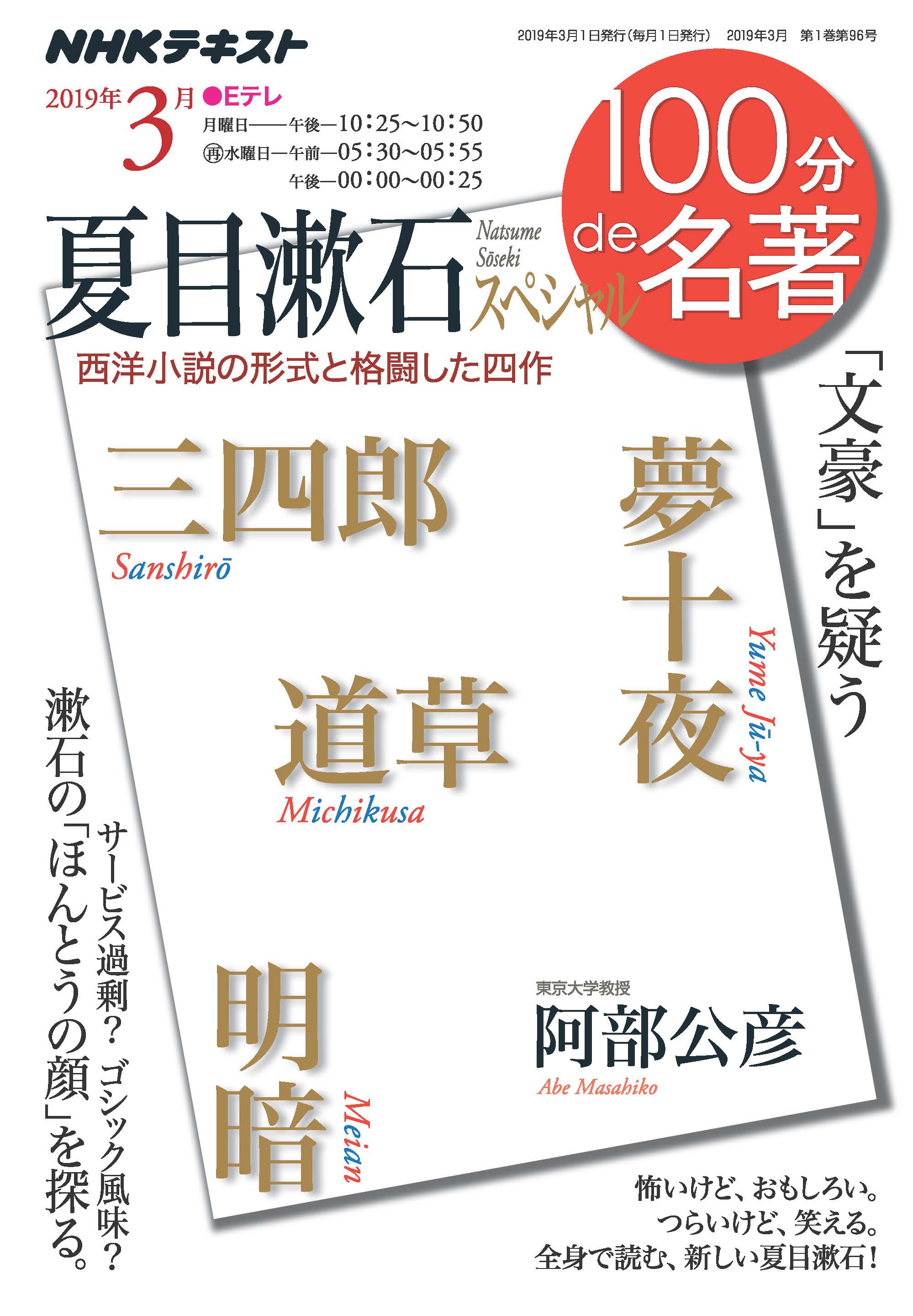
Before taking a stroll along the pond, we met with Professor Masahiko Abe of the Graduate School of Humanities and Sociology to learn about the pond’s namesake, Natsume Soseki’s novel Sanshiro. Abe authored a book on Soseki and his works, providing an in-depth look for the general reader.
Soseki (1867-1916), widely regarded as one of Japan’s greatest modern writers, was also a scholar of English literature. Abe, who specializes in literature in English, with a focus on British and American poetry, regards the literary giant as his predecessor in his field and in the Department of English Language and Literature, where he supervises graduate students. Adorning a wall of the department are portraits of Soseki and Lafcadio Hearn (also known as Koizumi Yakumo, a writer who was instrumental in introducing Japanese culture and literature to the West around the turn of the last century) hanging side by side. Soseki studied in the Department of English Literature at the Imperial University (present-day University of Tokyo). After studying in England, Soseki taught English and English literature at his alma mater (which had been renamed Tokyo Imperial University by that time). Abe followed a similar path, with Soseki as a direct forebear in his department. Hearn, on the other hand, was Soseki’s predecessor as an instructor in the department.
Soseki’s attempt at romance
“Soseki tried to write a Western-style romance novel, and Sanshiro clearly reveals his attempt to explore how such a novel should be written,” Abe explained.
After leaving his teaching position at the university, Soseki joined a newspaper as an in-house writer of serialized fiction. At first, he seems to have struggled to adapt his writing to readers’ interests. Sanshiro was published as a serial story in 1908, in the second year of his career at the newspaper.
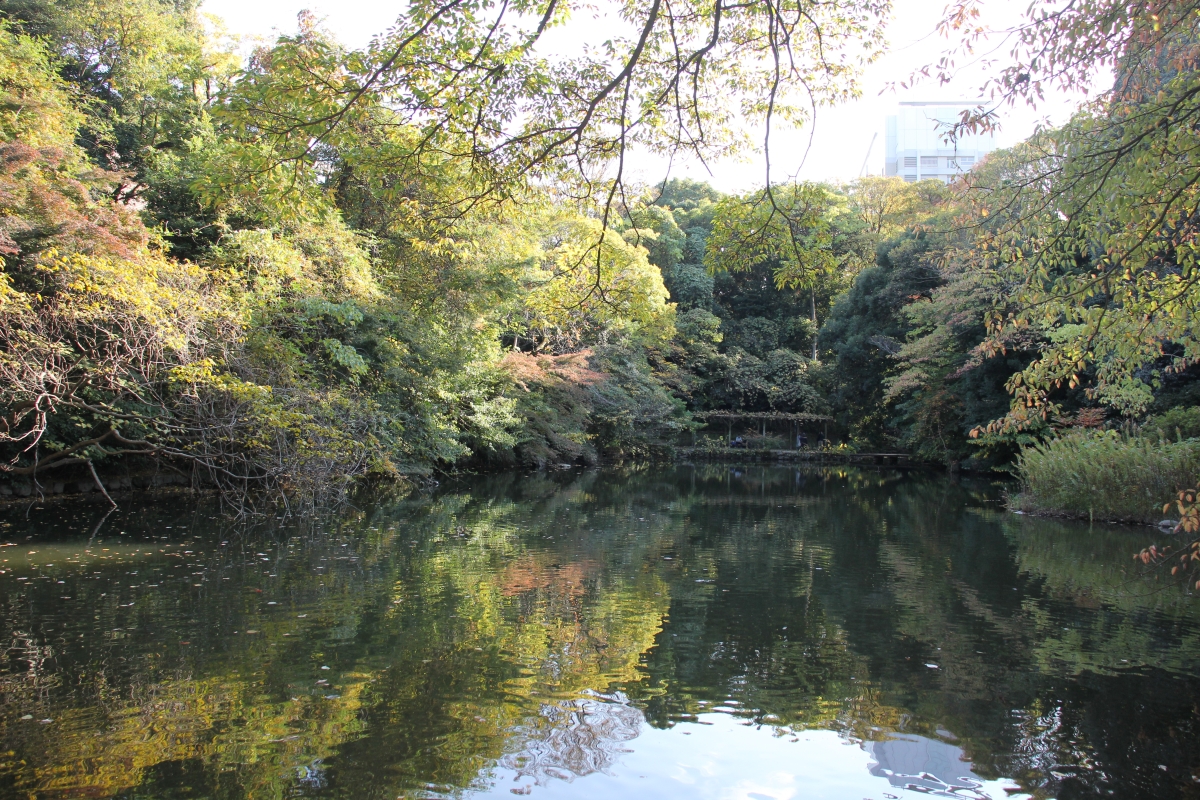
In the novel, the protagonist Sanshiro enrolls in a university in Tokyo. It is by a pond that he first catches sight of a beautiful woman emerging from the university hospital and finds himself captivated by her. This is the pond that would come to adopt the Sanshiro Pond moniker. Sanshiro later encounters the heroine, Mineko, again at the same pond, where the two exchange words. Even before this, there are several scenes in which Sanshiro walks around the pond, hoping he would run into Mineko. There is also a scene in which he goes with acquaintances to an exhibition of kikuningyo (life-size dolls wearing clothes made of chrysanthemums), leaves early with just Mineko, and the two walk along a path through a small valley.
Why, one might ask, does Sanshiro walk so much?
Abe explained that when the protagonist is moving, so is the story, and introducing another character gets the plot moving as well. He also noted that in almost every novel there are scenes in which strangers meet, and that these encounters are often triggered by some form of movement or travel. This reflects the historical context of a time when transportation networks were expanding worldwide, greatly widening the range of human mobility, according to Abe. In the novel, Sanshiro also travels, taking the train from Hongo to the Okubo district in Tokyo. Abe goes so far as to describe the literary work as a novel serving as a guide to Tokyo. Sanshiro may thus be seen as responding to both the rapid development of Tokyo in the Meiji period and the curiosity of readers eager to learn about Tokyo’s transformation.
In the novel, Mineko repeats the phrase “stray sheep.” Sanshiro is puzzled by the expression, unsure of what she means. According to Abe, this is a typical pattern seen in the romance novel: A man is led astray by a woman who remains fundamentally “the other” and unknowable to him. As a result, both Sanshiro and the reader are mystified by the author’s literary technique — each left uncertain and subtly perplexed by the story.
The silent treatment
There is a scene describing Mineko leaning in with her mouth close to Sanshiro’s ear, but discreetly enough not to attract attention. Yet Sanshiro cannot tell what she has said. It is even possible that Mineko did not say anything at all. Elsewhere in the novel, she begins to speak to Sanshiro only to stop halfway, or does not respond to his questions.
According to Abe, in the 19th-century English novels that Soseki studied, there are relatively few lines of dialogue in which characters interrupt their own lines, hesitate, or produce speech that is unintelligible. In the 20th century, however, unintelligible lines become far more common. “They appear again and again,” Abe noted. “A well-known example is Hemingway. Characters in his novels mutter under their breath, begin their speech with an ellipsis (a mark, such as “……,” indicating pauses and subtexts), or break off in midsentence.” Written in the early 20th century, Sanshiro thus demonstrates a distinctly modern narrative style.
Abe also noted that the period in which Sanshiro was published was a time when writers were actively exploring how to write fiction in a vernacular style, closer to the colloquial Japanese actually spoken, a movement known as genbun itchi. In this sense, Sanshiro can be seen as an experiment in a new kind of romance novel, one that helped open up new possibilities for modern Japanese fiction.
Point of chance encounter
Today, Sanshiro Pond is surrounded by dense trees, and in some places the view is obscured.
In which part of the pond did Sanshiro first see Mineko? According to the novel, “two women are standing on a rise to the left” and “they are facing the setting sun.” From this description, it can be inferred that Mineko appears on the higher ground on the eastern side of today’s Sanshiro Pond, while Sanshiro is standing somewhere below, looking up at her. In that direction stood the hospital where Mineko had been staying. Sanshiro, meanwhile, was on his way back after visiting an acquaintance at the College of Science (now the Faculty of Science) to the north.
It can be fun to imagine how Sanshiro and Mineko first met as you read the novel.
In this scene, Mineko “goes her way, dropping before Sanshiro the white flower she had been smelling.” Sanshiro is left standing, “stunned.” The color white appears several times in the text around this scene. Abe pointed out that color functions effectively as a dramatic device. “In many novels, the same color reappears for reasons that are not immediately clear; when the reader picks up on that, something gradually comes into view. It feels as though there must be meaning there,” Abe explained, “but it retains the right level of ambiguity.” Here, too, Soseki demonstrates his skill as a novelist, carefully employing such techniques in his storytelling.
Recognized as a literary masterpiece, Sanshiro has left its mark as the namesake of the pond at the university. Originally, the pond was known as Shinji-ike, part of the Edo-period Japanese garden Ikutokuen created by the Kaga Domain, but today it is far better known by its familiar nickname, Sanshiro Pond. Set on and around the Hongo Campus, the novel may even be seen as a kind of gift from Soseki to the university itself.
University professor’s recommendation
Sanshiro is highly recommended for students from overseas as well as those reading Soseki for the first time. Abe said he is also particularly fond of Soseki’s later works, such as Mon (The Gate) and Meian (Light and Dark).
In the second part of our series on Sanshiro Pond, we look into how the pond was made and explore its topological features with researchers from the Graduate School of Engineering.
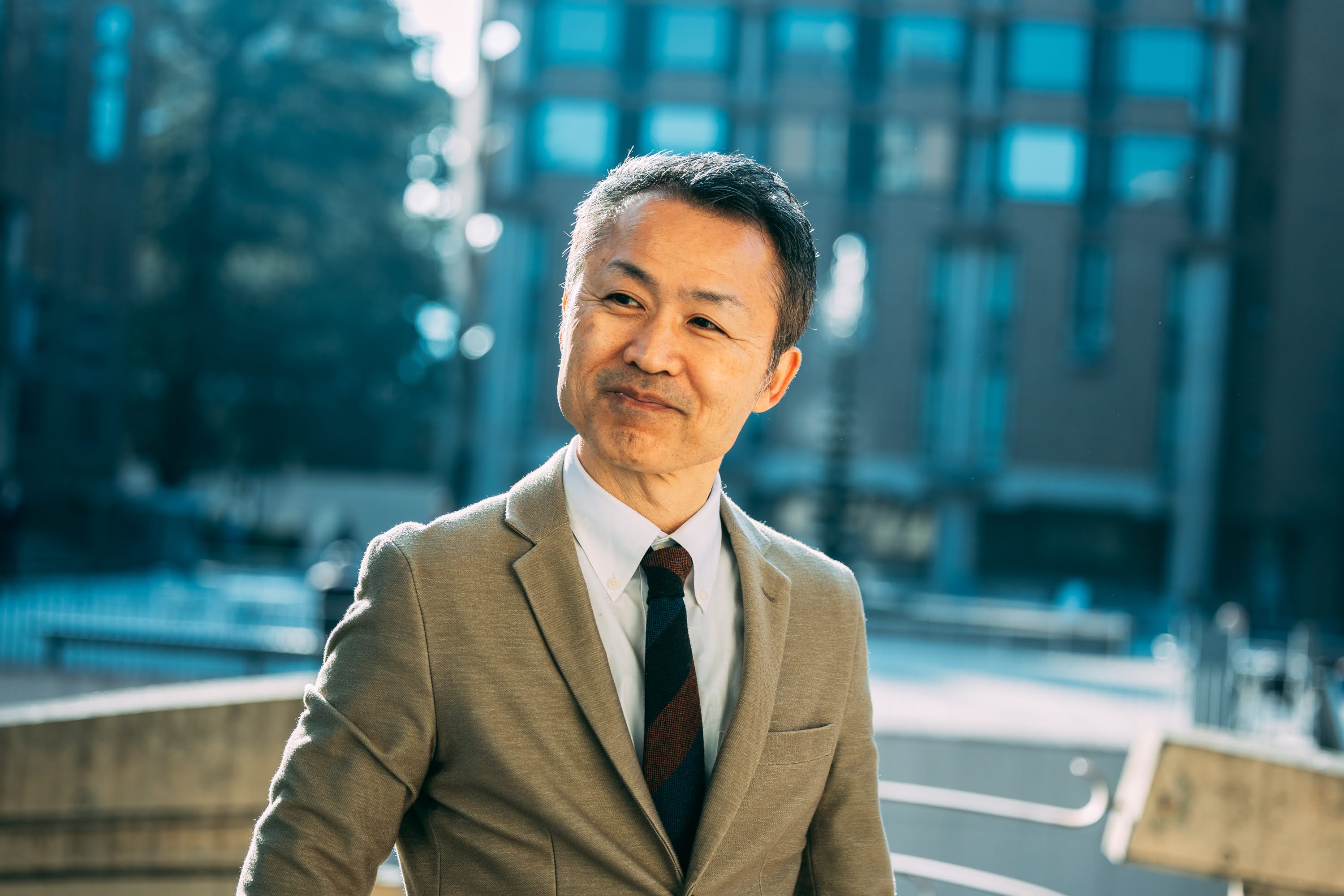
Masahiko Abe
Professor, Graduate School of Humanities and Sociology
Specializes in British and American literature. Received bachelor’s degree from Faculty of Letters and master’s degree from Graduate School of Humanities and Sociology, the University of Tokyo. Earned Ph.D. in literature from University of Cambridge, U.K. Prior to current appointment in 2018, held position as research assistant in Department of English Language and Literature at Faculty of Letters, then associate professor at Graduate School of Humanities and Sociology, the University of Tokyo. Authored works include Shuchu koza Natsume Soseki (“Intensive lecture: Natsume Soseki”) (NHK Publishing, Inc., 2023), Shosetsuteki shiko no susume (“Guide to novelistic thinking”) (University of Tokyo Press, 2012), An Introduction to Poetry in English (Kenkyusha Co., Ltd., 2007), among others.
Interview: Yasushi Nakashima