



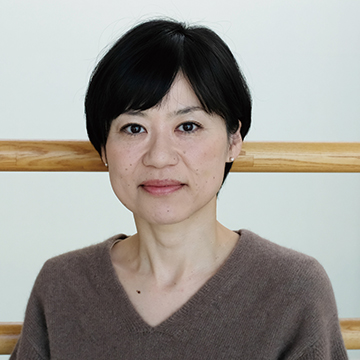
Associate Professor Shinobu Kazama of the Graduate School of Frontier Sciences has been conducting genome analysis research on human enteric viruses — which affect our gastrointestinal tract and cause symptoms like nausea, vomiting, diarrhea and cramps — that are contained in wastewater.
Here, she talks about her research project endeavoring to detect novel pathogenic viruses, which might threaten us in the future, as well as about the water environments in developing countries.
Wastewater-based epidemiology and fecal matter
Predicting epidemics through genomic analysis of wastewater
KAZAMA Shinobu
Associate Professor
Graduate School of Frontier Sciences
Domestic wastewater as valuable source of microbial pathogen data
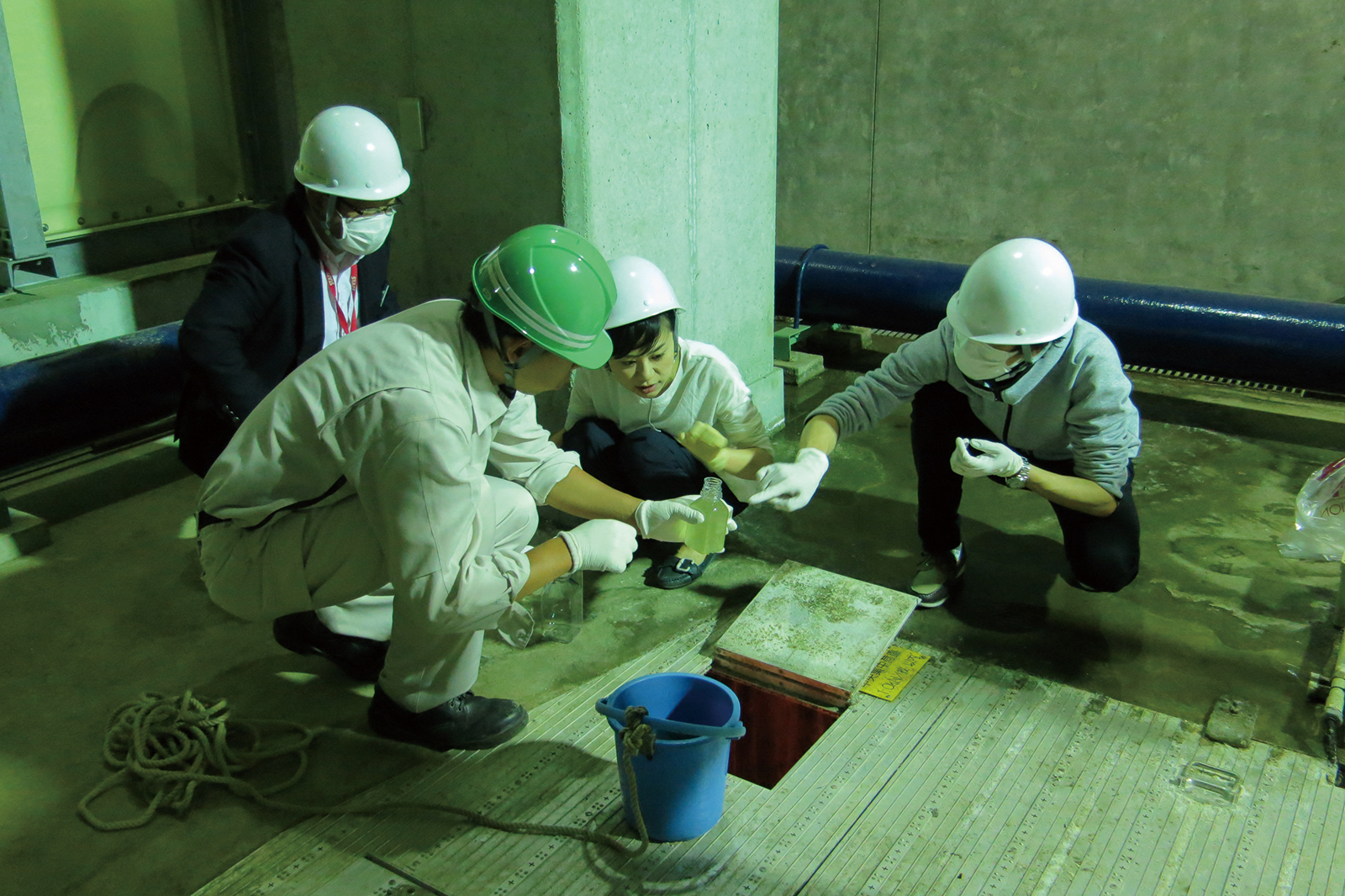
Domestic wastewater, containing feces of the household’s human inhabitants, is rich in pathogenic microorganism information. I have been collecting wastewater that ultimately ends up at wastewater treatment plants and conducting epidemiological investigations using the wastewater to study the spread of disease. Wastewater contains various human enteric viruses, such as the norovirus, which cause gastroenteritis (an inflammation of the stomach or intestines, characterized by symptoms such as nausea, vomiting, diarrhea and stomach cramps). To detect diverse viruses, I analyzed the genomes of multiple viruses at once, using next-generation sequencing. The results showed that most of the viruses identified were those that infect E. coli and plants, and the human enteric viruses we had targeted were few, indicating the probability of detecting them is low.
So, I drew on the genomic characteristics of human enteric viruses and employed a selective detection method to efficiently identify the viruses. Moreover, I analyzed the other detected genomes and found the genetic sequence of 62% of them were not registered in the gene sequence database. In other words, it is plausible they could be unknown viruses. More than 9,000 virus species are registered with the International Committee on Taxonomy of Viruses, or ICTV. Besides that, there are countless undiscovered viruses on Earth, with those capable of infecting mammals said to number 320,000. And one of them might be contained in wastewater, so I figure the accumulation of such genetic data could be used to help address future infectious diseases.
I am also working on developing an epidemic indicator that uses wastewater to show the number and proportion of norovirus cases. However, it is difficult to estimate epidemiological situations based on virus concentration alone, due to regional differences in rainwater and industrial wastewater contained in sewage. Currently, I am trying to come up with methods to correct for that. Once we develop an indicator, we will be able to issue epidemic warnings based on it. As there is a limit to the effectiveness of removing viruses at wastewater treatment plants, viruses that could not be fully removed will be discharged into rivers, enter the sea and accumulate in bivalve shellfish (such as clams, oysters, scallops and mussels), which will be consumed by people and reenter our bodies. I believe that the indicator will help reduce the threat to humans posed by these infection cycles.
Upgrading Indonesia’s water environment
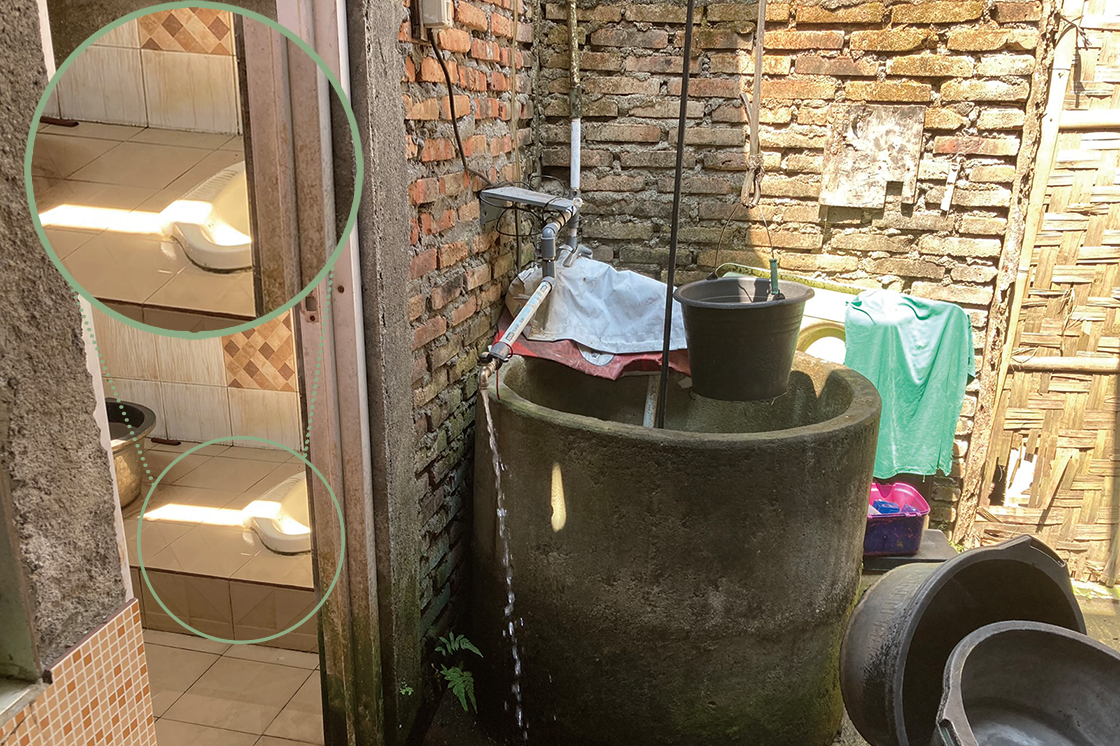
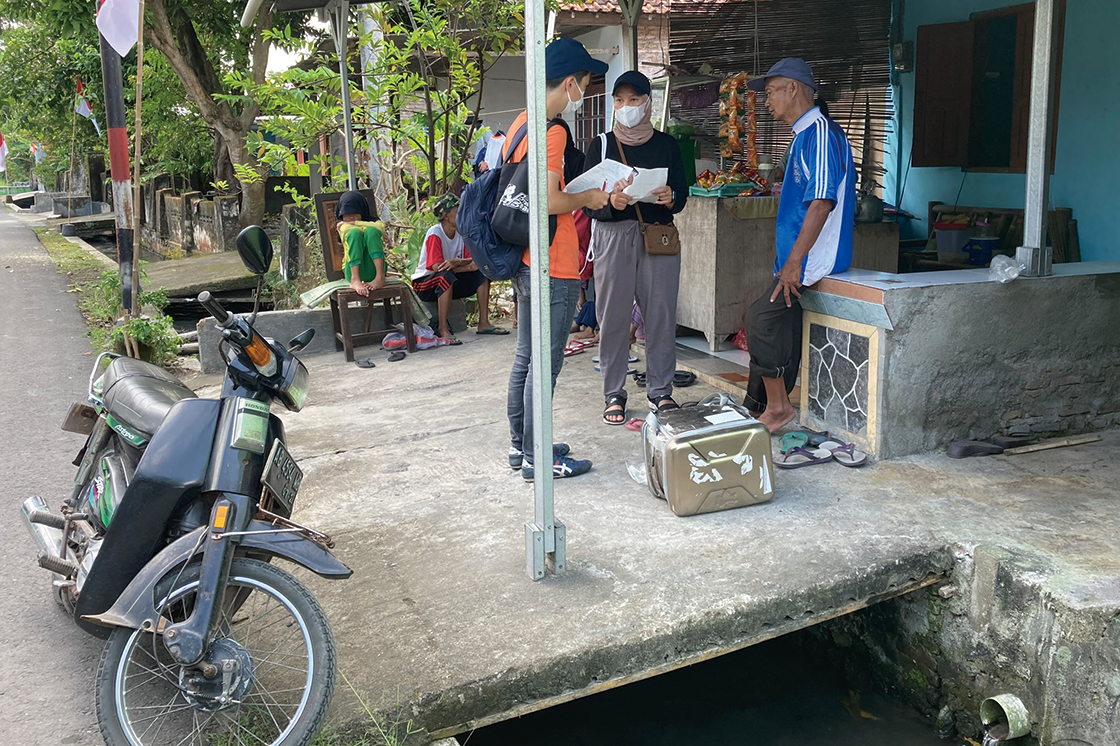
I have been taking in international students from developing countries, who will be tasked with improving the water environment in their countries, and supervising their master’s theses. One such research project is in the Yogyakarta special region on the island of Java in Indonesia, where my lab has been investigating fecal contamination. More than 50% of the residents there source their drinking water from groundwater. Each household has a well and a hole dug near it, serving as a simple toilet, from which human waste seeps into the soil and pathogenic microorganisms contaminate groundwater. As diarrhea is commonplace in Indonesia, there is a strong need for measures to prevent fecal contamination of groundwater.
While construction of small-scale sewerage systems is also underway, there are issues such as residual E. coli contamination and the low coverage of such sewerage systems. Fecal contamination derived from chickens was detected from some groundwater samples because a lot of families raise chickens. The environment itself needs to be improved, such as by covering wells with lids to safeguard from avian contamination. Going forward, I would like to engage in research on viruses in wastewater and the environment. At the same time, I would also like to conduct research that contributes to improving water environments in developing countries.