The University of Tokyo
Go Global Website


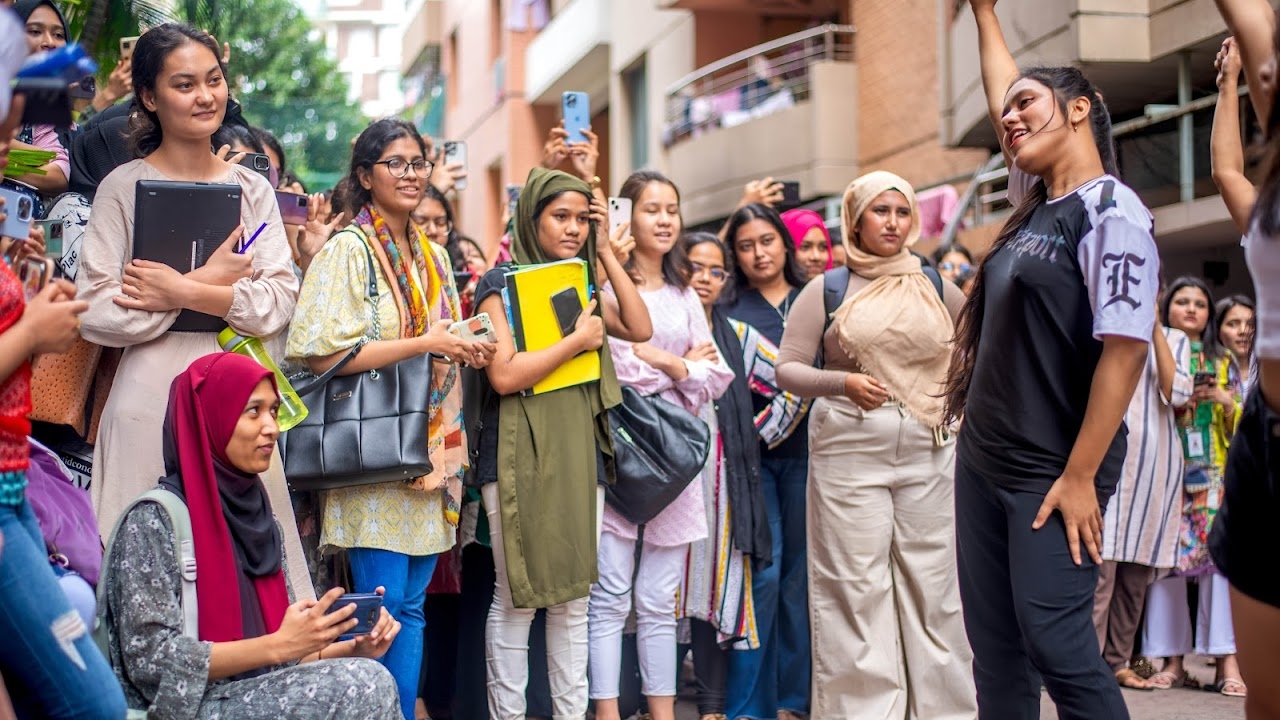

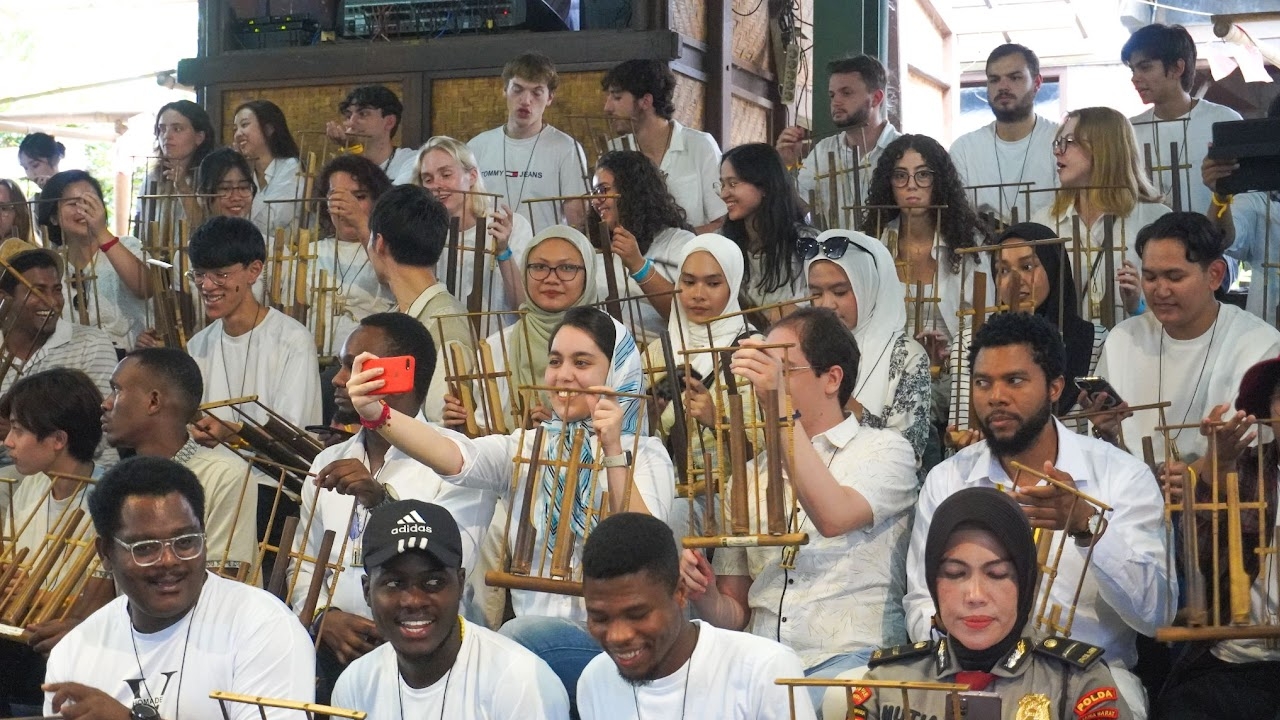
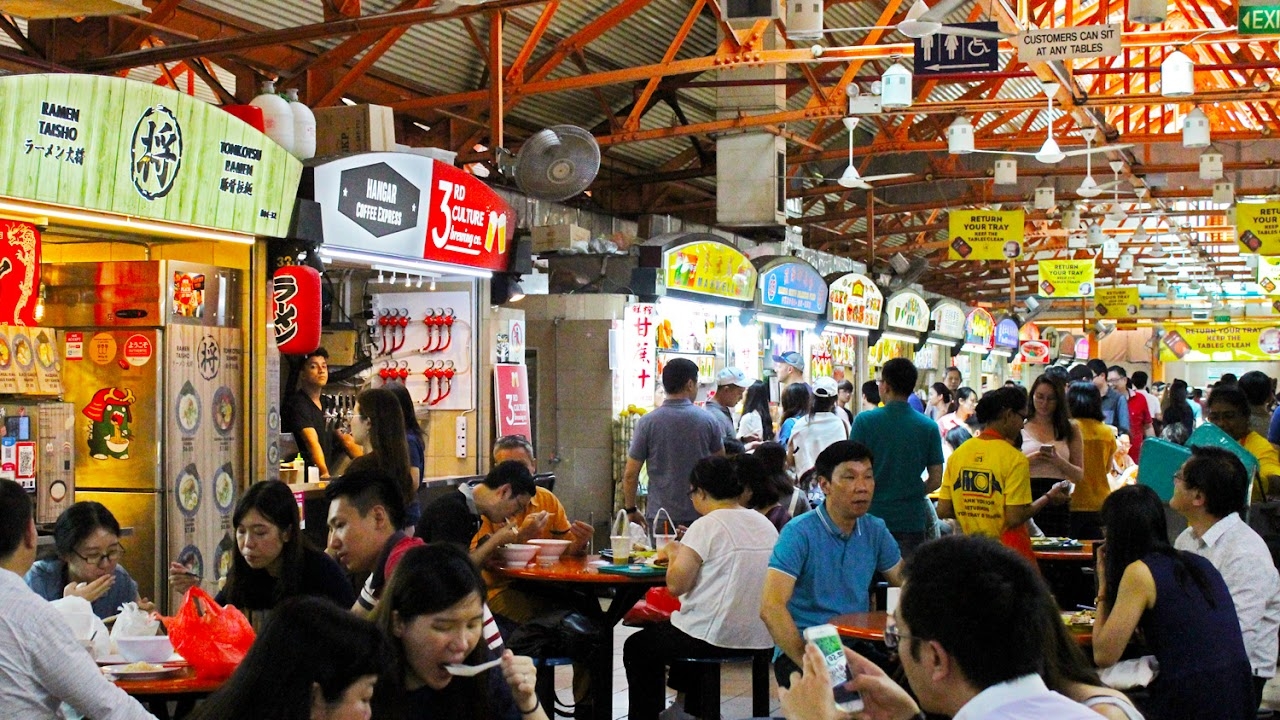
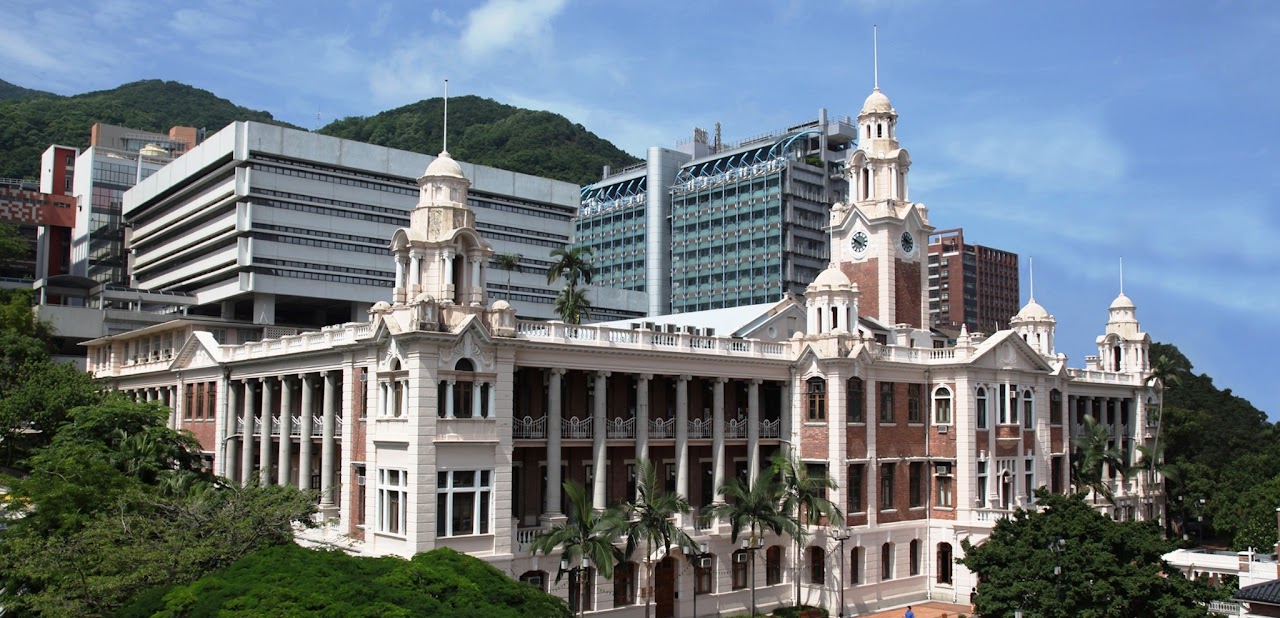


・Starting from Academic Year 2026, The University of Tokyo Center for Global Education (UTokyo GlobE) will launch the "Study A-Broad Initiative." This initiative aims to broaden opportunities for students to engage with diverse values and develop multi-faceted perspectives.
・In addition to traditionally popular destinations in Europe and North America, this initiative highlights the unique appeal of studying in regions such as Asia, Latin America, the Middle East, and Africa (often referred to as the "Global South"). The University is committed to actively supporting students who aspire to study in these areas. Many of our partner universities in these regions offer a wide range of courses taught entirely in English.
・This initiative is designed to broaden your horizons, expand your future potential opportunities and open up more options for study abroad, while strengthening connections between Japan and the world. This initiative is to support your "Study A-Broad" journey.
In today's international community, the importance of the regions often referred to as the "Global South" is growing exponentially. While global issues such as poverty, environmental crises, and human rights challenges are often concentrated in these areas, projections show that by 2050, the nominal GDP of the Global South will exceed the combined total of the U.S. and China, accounting for two-thirds of the world's population. Gaining firsthand experience in these regions will be an invaluable asset, regardless of your major or future career path. UTokyo encourages students to explore these new frontiers alongside more perennially popular exchange destinations.
<Messages from Faculty>
"I strongly encourage UTokyo students to gain new and future-oriented perspectives by experiencing societies that may not be familiar to them at all."
—— Kaori Hayashi, Executive Vice President, The University of Tokyo
"Please try to explore regions you might never have considered for yourself and make new discoveries. It will be an experience you will never forget!"
—— Yujin Yaguchi, Vice President; Director of the Center for Global Education, The University of Tokyo
"8 billion people! Most of them live in the Global South. Not emerging. Building our future. Go live, engage and learn with them."
—— JungHyun Jasmine Ryu, Head of International Exchange Division, Center for Global Education, The University of Tokyo
Summarizing the overall trends in study abroad experiences, past participants have cited the following three main reasons for choosing regions such as Asia, Latin America, the Middle East, and Africa:
Emphasis on “real-world experience”: A desire to see actual social conditions in regions like Asia and Latin America with their own eyes, rather than relying on a Western-centric perspective.
Uniqueness and specialization: While many students study in English-speaking countries, some aim to build a unique strength by mastering specific languages (such as Chinese, Korean, or Spanish) or focusing on particular regions.
Interest in social issues: A focus on region-specific themes such as rapid economic development, multicultural coexistence, and inequality.
Below are actual student testimonials.
Asian University for Women: “I was drawn to the opportunity to study alongside students from a wide range of regions, from Southeast Asia to West Asia. I believed that gaining new insights through both classes and daily life, and experiencing firsthand the political and social conditions across Asia, would be an incredibly stimulating and meaningful experience for me.”
Seoul National University: “I wanted to build a career in Asia in the future, so I chose to study at Korea’s top university, which has deep historical and cultural ties with Japan and an extremely high academic standard. I also wanted to experience the complexity of Japan–Korea relations firsthand and deepen mutual understanding through dialogue with fellow students.”
Peking University: “I wanted to directly experience the energy of China’s rapid economic growth. Beyond information from the media, I believed it was essential for my future career to understand firsthand how local students study with passion and perceive society.”
The University of Hong Kong: “I decided to study abroad in Hong Kong, where the political situation is constantly evolving, because I wanted to understand realities that can only be seen locally. By speaking directly with local people in Cantonese about politics and society, I felt I could gain insights impossible to obtain from Japan alone. Living there and interacting with people daily is the true value of this experience.”
University of the Philippines: “I had a strong interest in the country itself, as well as in the political economy of developing nations, poverty issues, and people’s daily lives from an academic perspective. I hope to work in the future supporting ethnic minorities and impoverished communities in developing countries, including the Philippines, and saw this study abroad experience as an important step toward that goal.”
National Autonomous University of Mexico: “I have a deep interest in the culture and history of Spanish-speaking regions and wanted to study in Mexico, a central hub. I also wanted to examine firsthand the dynamism of a society transitioning from a developing country to an emerging economy, as well as social issues such as inequality.”
University of Chile: “I wanted to learn more about Latin America. I chose Chile because, at the time of application, it was the only option available in Latin America for university-wide exchange programs. I also felt it was a waste that my Spanish, which I could speak fluently during my time in Mexico, had deteriorated in Japan due to lack of use.”
Pontificia Universidad Católica de Chile: “Since my major focuses on Latin America, I wanted to actually go there and experience daily life. I believed I could gain insights and learn things through everyday conversations that cannot be found in textbooks.”
Students who are provisionally selected through the internal screening for partner universities under the "Study A-Broad Initiative" are expected to be given priority for the award of the USTEP scholarship.
In the screening process for USTEP, applicants who list an eligible university in Asia, Latin America, the Middle East, or Africa (hereafter referred to as "Study A-Broad" partner universities*) as their "First Choice" will receive priority consideration for that specific university. (*Please refer to the application guidelines for the specific list of eligible universities.)
・Priority will be applied consistently to all students who select a "Study A-Broad" partner university as their first choice during the internal selection process.
・As stated in the application guidelines, the matching algorithm respects students’ preference rankings. Lower-ranked “Study A-Broad Initiative” partner universities will not be given priority over higher-ranked choices.
・Selecting an “Study A-Broad Initiative” partner university will not disadvantage you in the screening process for universities outside this category. Therefore, you are encouraged to actively consider these partner universities even as your second or lower choices.
・Case A: 1st choice: A university in India / 2nd choice: A university in Canada → Priority consideration will be given in the internal selection process.
・Case B: 1st choice: A university in Canada / 2nd choice: A university in India → Selection for the Canadian university is processed with top priority. Listing the Indian university as a second choice does not negatively impact your chances for the Canadian university.
・If the slots for your first choice are filled, the selection for your second choice and beyond will proceed according to standard procedures.
The "Study A-Broad" initiative includes only top-tier universities with which UTokyo has established formal agreements based on rigorous standards.
Language of Instruction:
The vast majority of our partner universities offer programs and courses where students can complete their studies in English (though some specific universities may require proficiency in the local language).
Educational Quality:
All partner universities are globally recognized universities with excellent educational and research environments.
Crisis Management:
We only partner with universities in regions that meet the University's safety standards. Furthermore, we prioritize student safety by providing comprehensive support, including pre-departure orientations, mandatory overseas travel insurance, and 24/7 emergency management services.
We provide transparent data on previous applicant numbers and whether slots reached capacity. Please use this to plan your study abroad. Currently, many partner universities in Asia, Latin America, the Middle East, and Africa have ample capacity. Considering these universities significantly increases your chances of securing a spot and discovering a new world.
This site features the latest information from a student perspective, covering local learning environments and campus life. It uses photos and videos to showcase the unique appeal of our partner universities. (Updated periodically)
Search for partner universities via our interactive World Map or view them in a comprehensive list.
Read firsthand accounts and experiences from all past UTokyo exchange students.