

 書籍検索
書籍検索


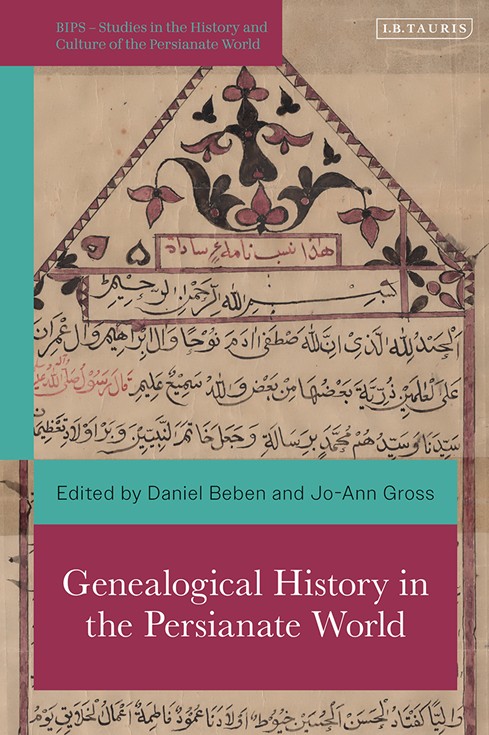
本書は、中央アジア、南アジア、そしてペルシア湾岸に及ぶ「ペルシア語世界 (Persianate World)」において、系譜書がどのように構築され、社会的に機能してきたのかを探求する論集である。系譜文献は、編年史のような叙述史料とは異なる性質を持つ重要な史料群である。しかし、アラブ世界と比べて、ペルシア語を文化と行政の共通語としていた地域社会に関する研究は、これまで限定的であった。本書は、その空白を埋めるために、14世紀から20世紀にわたる未公開資料の調査や現地でのフィールドワークの成果を集めた一冊である。
系譜 (Genealogy) は、単なる血統の記録ではない。それはアイデンティティの主張や政治的正統性の根拠となり、時には経済的利益や社会的特権を維持するための手段としても機能する 。本書は、各地の具体的な事例を通じ、nasab (血統) がいかに議論の中心に据えられ、社会文脈に応じて再構成されてきたかを明らかにする。
全8章からなる事例研究は、多角的な広がりを見せる。バダフシャーン地方における宣教活動の変遷に伴う系譜の戦略的な書き換え (第1章、Beben)、アフガン人とバローチ人の軍事同盟のために創出された「共通の祖先」伝承 (第2章、AlMaazmi)、近代の国境線によって分断された地域の繋がりを古文書から復元する試み (第3章、Gross) などは、いずれも系譜が社会的資本として果たした役割を実証している 。さらに、16世紀ブハラの有力家系による経済的権益の主張 (第4章、Schwarz) や、ペルシア湾岸における政治情勢の変化に伴うアイデンティティの再定義 (第5章、Onley) は、系譜学が現代に至るまで進行形の現象であることを示している 。
後半の3章では、スーフィー (イスラーム神秘主義者) の伝統と系譜の関わりが深く掘り下げられている。ナクシュバンディー教団の指導者家系における精神的正統性の継承 (第6章、DeWeese)、都市の神聖化と結びついた聖者伝の構築 (第7章、Ziad)、そして19世紀のフェルガナ盆地における「サイイド (預言者の子孫)」に類する称号である「ホージャ」の浸透 (第8章、Kawahara) など、神聖な権威がどのように系譜の形式で固定され、人々に共有されていったのかが論じられている。
本書がカバーする空間的・通時的な広がりは、ペルシア語世界の奥行きを反映している。人々の暮らしや社会に根ざした史料をどのように扱い、そこからマクロな歴史叙述では見落とされがちな地域史の諸相をどのように読み解くか。本書は、歴史学における系譜資料の豊かな可能性を浮き彫りにすることで、ペルシア語世界という枠組みを超え、歴史学や地域研究を志す読者に格好のケーススタディを提示している。
(紹介文執筆者: 附属図書館 准教授 河原 弥生 / 2026)
本の目次
Part I: Genealogy, Translocality, and Narratives of Origin in Early Modern Persianate Societies
1 Beyond Sayyid-hood: genealogy and narrative in the Nasab-nāma of Malik Jahānshāh and the Ismā'īlītradition of Badakhshān / Daniel Beben
2 Solomon's shadow: the politics and poetics of Baloch genealogical traditions / Ahmed Y. AlMaazmi
3 The Nasab-nāmas of Zībāk: connectivity between sacred lineage and conversion from Zībāk to Hunza / Jo-Ann Gross
Part II: Genealogy as Discourse and Praxis
4 The Sāmānid file: embedding genealogy in 16th-century Bukhara / Florian Schwarz
5 Crossing the Arab/Persian divide in the Gulf: Persianized Arabs, Arabized Persians, and the politics of Persianness / James Onley
6 An Aḥrārī genealogical compilation spanning the sixteenth, seventeenth, and eighteenth centuries / Devin DeWeese
7 Where genealogies of texts meet genealogies of saints: concretizing ImāmīSunni Sufism and female leadership in the Afghan Mujaddidīlineage / Waleed Ziad
8 Sacred genealogies of Khwājas in the Ferghana Valley of the 19th century / Yayoi Kawahara
Index
関連情報
“While ancestry and lineage were fundamental preoccupations of Persianate societies, generating a mass of documentation in many different genres, such sources have rarely been analyzed in a systematic way that places nasab at the center of discussion. This agenda-setting volume finally does so, combining fascinating case studies from Hunza, Badakhshan, Bukhara,Fergana, Balochistan, the Gulf, and Qandahar.” ―Nile Green, Ibn Khaldun Endowed Chair in World History, UCLA
“Through insightful empirical studies spanning diverse milieus-from the towering heights of the Pamirs to the blue waters of the Persian Gulf, this volume highlights the rich potential of genealogical materials for advancing historical studies of the Persianate world and beyond. A must-read for scholars engaging with Persianate and Islamicate genealogical literature.” ―Kazuo Morimoto, Professor, University of Tokyo, Japan
“Jo-Ann Gross and Daniel Beben have made a major contribution to Persianate historiography by bringing together scholarship on the role genealogy has played in embedding the past in the present while claiming for it a timeless validity. The studies in this volume provide a comprehensive view across the Persianate world-from the Persian Gulf in the west to Central Asia in the north and northern India in the east-of how genealogy was wielded and manipulated to create social capital.” ―R.D. McChesney, author of An Afghan Prince in Victorian England: Race, Class and Gender in an Afghan-Anglo Imperial Encounter